Beattie Electrical

Indoor Light Installation in Sydney

Beattie Electrical installs indoor lighting for Sydney homes, apartments and small commercial spaces. That might be one pendant over a dining table or a whole-house change from old halogens to LED. Either way, a licensed electrician looks at what is above the ceiling and behind the wall before any fitting is chosen, because that is what decides what will work. Ready to get started? Tell us which rooms you want lit and send a few photos. We will come back with the questions that matter and a written quote.

Types of indoor lighting we install

Each fitting type asks something different of the wiring, the structure or the standards. This is what we work through for the ones Sydney customers request most.
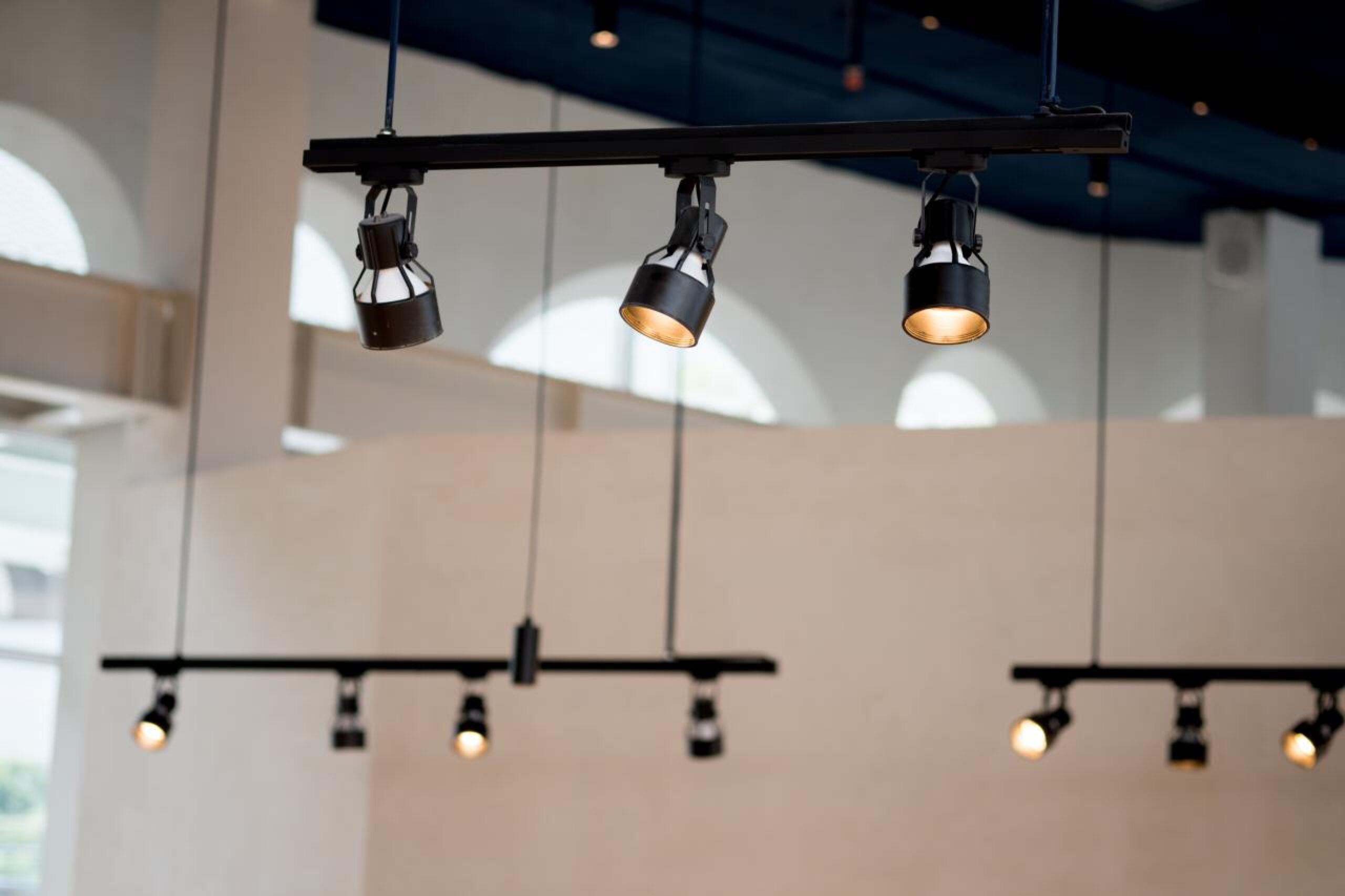
Modern black suspended track lighting and warm LED fixtures installed in a bright commercial or residential interior by Beattie Electrical

LED Downlights

Recessed downlights give clean, even light, but they also cut holes into the space where insulation, joists, ducting and cables live. We map the cavity first, choose fittings with the right IC rating wherever insulation will sit close, keep to the manufacturer clearances and AS/NZS 3000, and select beam angle and brightness to suit the ceiling height.
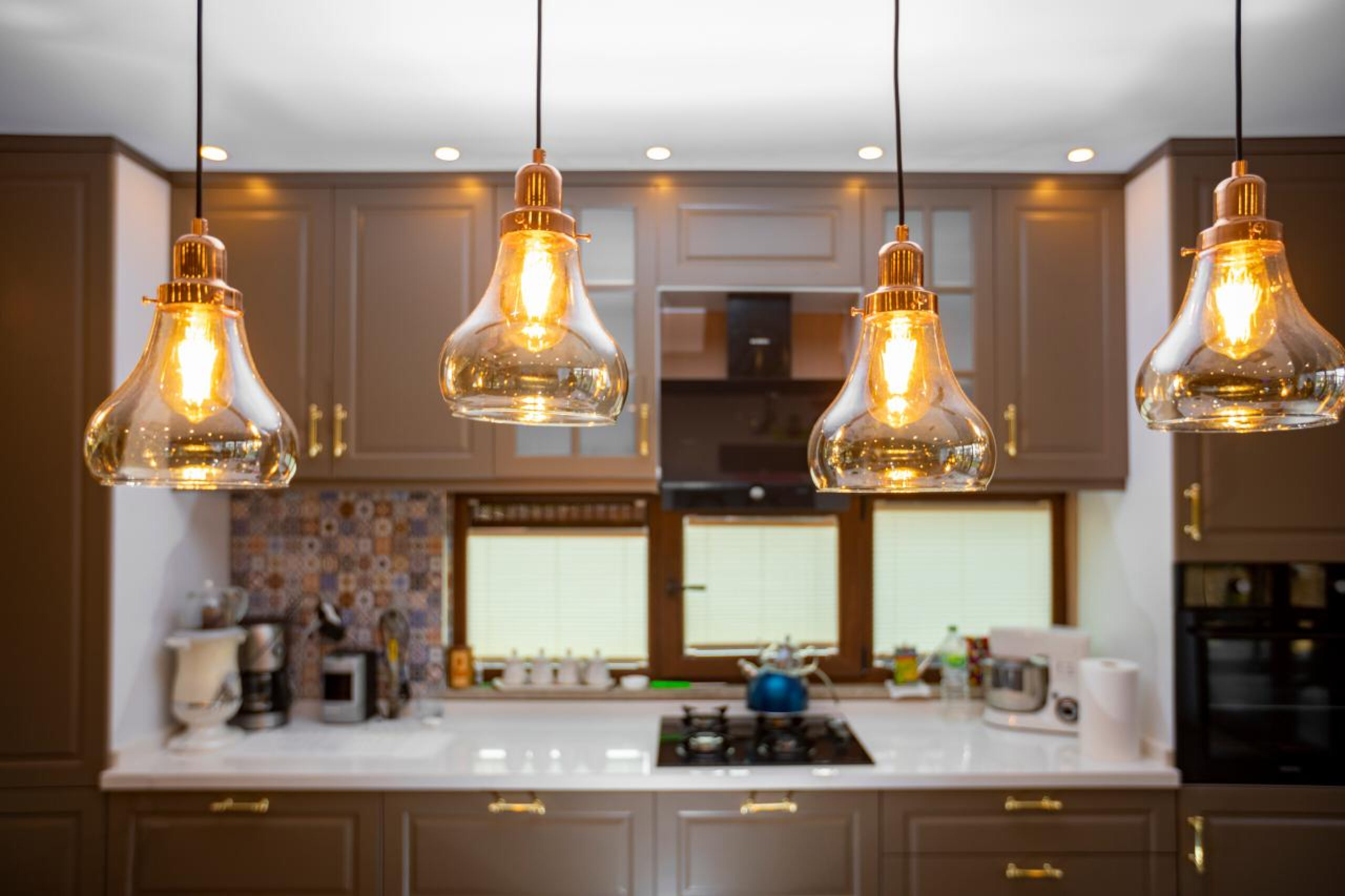
Four warm glass and copper pendant lights suspended over a modern kitchen island installed by Beattie Electrical

Pendant lights and chandeliers

A pendant is a mounting problem before it is an electrical one. Anything heavy has to be fixed to structure, such as a joist or a purpose-made brace, never to plasterboard alone.
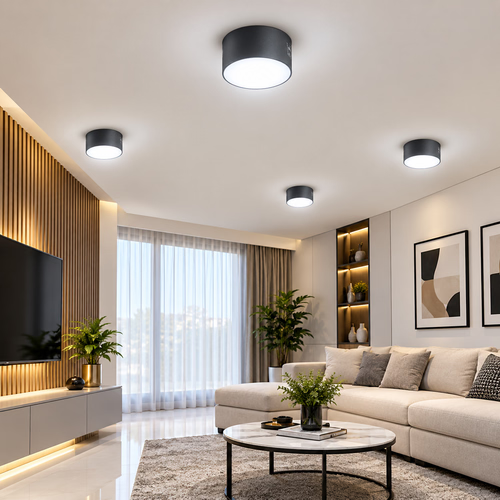
Track, monorail and architectural lighting

Track and monorail systems let you aim or slide heads as the room changes, which suits open-plan living areas, studies and display walls. Linear and recessed profiles give a continuous line of light but must be planned before the plasterer arrives. We size the transformer or driver to the combined load of the heads, leave it accessible and make sure the dimming method suits the system.
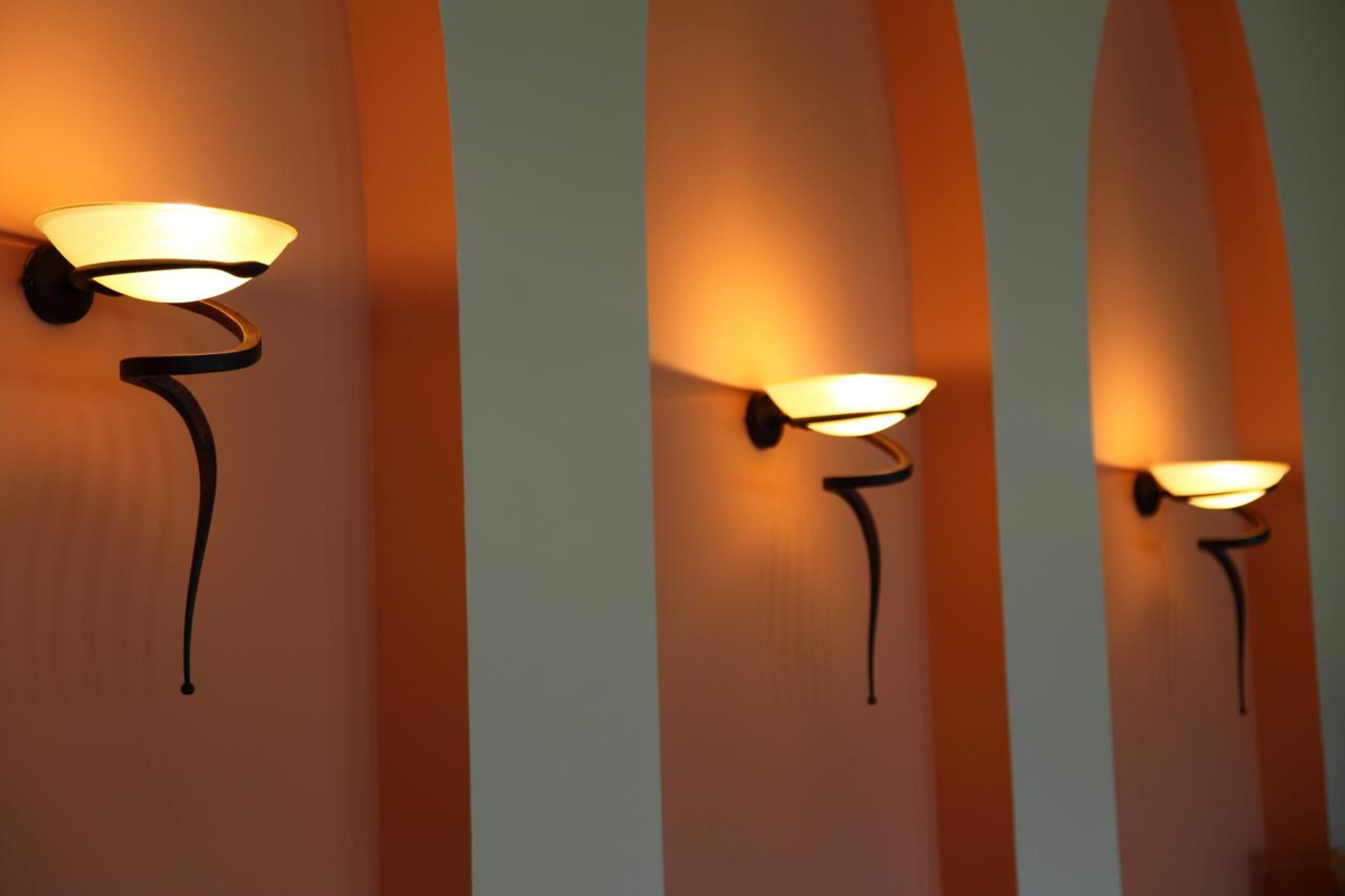
Wall lights and sconces

Wall lights, bedside reading lights and picture lights bring the light down to eye level. The challenge is usually the cable: if power is not already at the chosen position, we plan a tidy route through the wall or ceiling void to keep patching to a minimum.
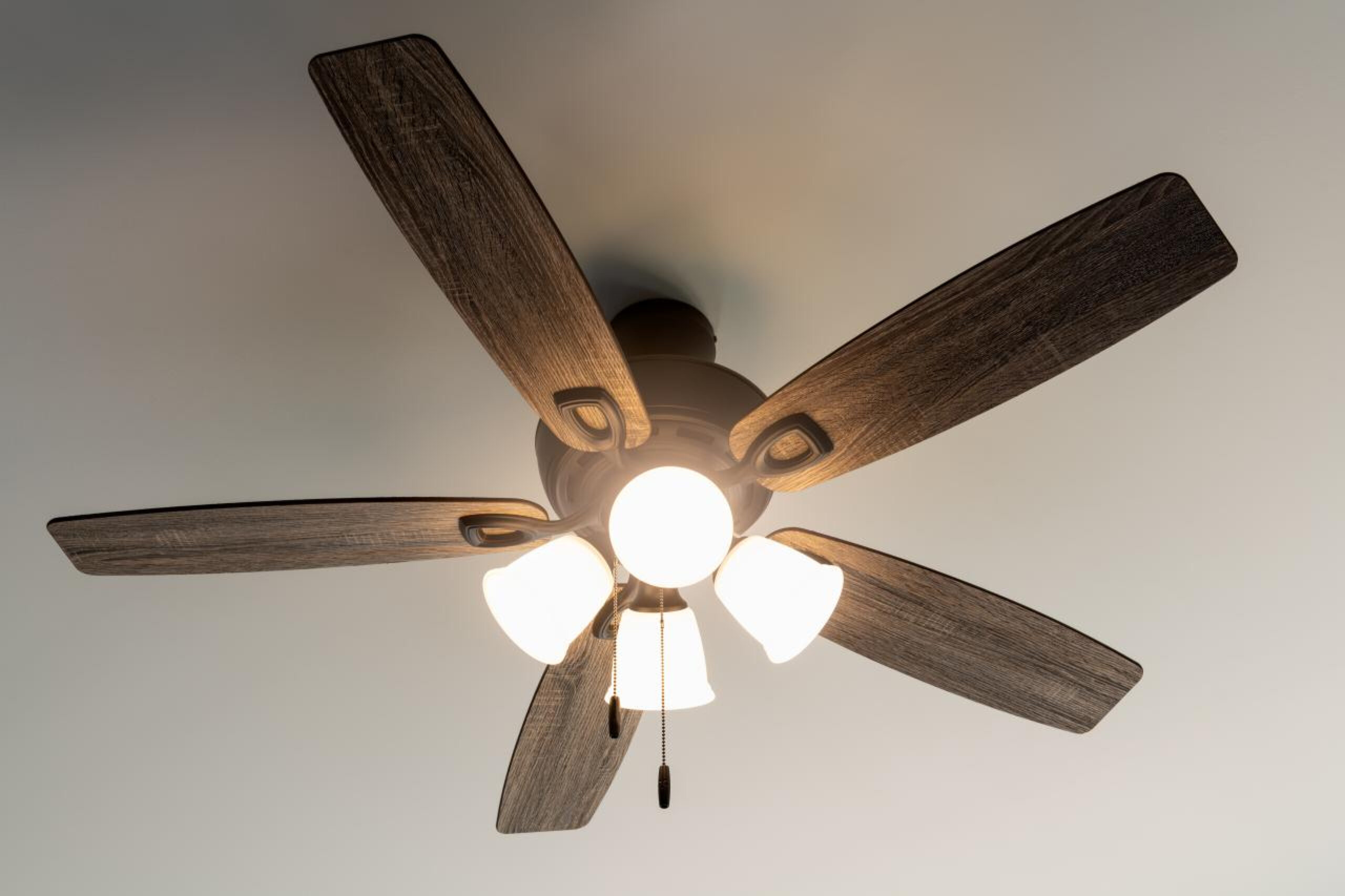
Five-blade timber-look ceiling fan with four warm glowing glass light shades installed on a residential ceiling by Beattie Electrical

Ceiling fan lights

A fan with a built-in light is more than a light fitting. It needs a fan-rated mounting point that copes with weight and movement. Where the model allows, we wire the fan and light so they can be controlled separately, and we set up remote receivers properly. For fan-only work, see our ceiling fan installation page.
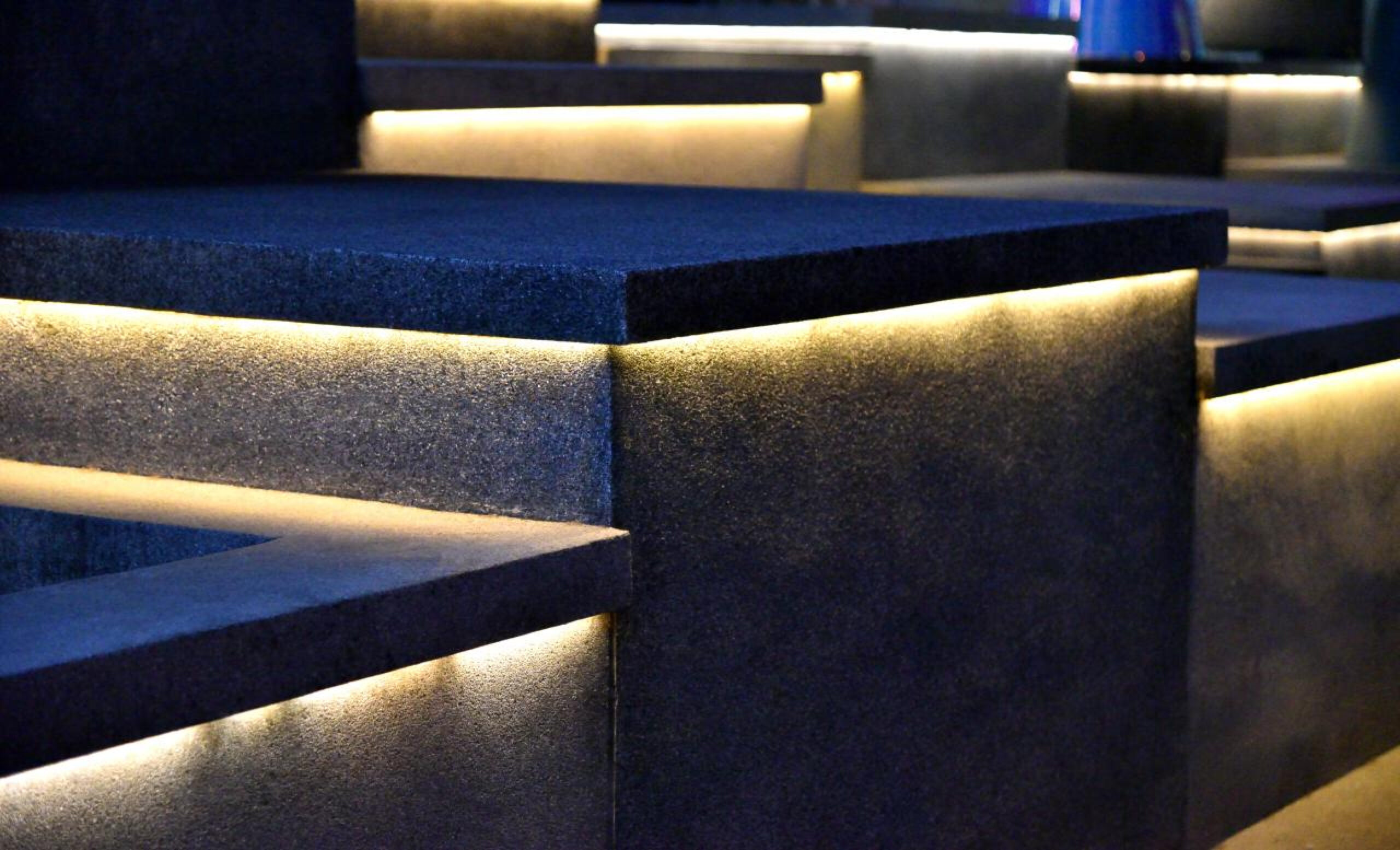
LED strip and cove lighting

Strip lighting suits under-cabinet task lighting, kickboards, stair edges, shelving, wardrobes and ceiling coves. The strip is the easy part. The driver is what lasts or fails, so it needs a ventilated home that you can still reach, a voltage and wattage match with the strip, and cable runs that avoid awkward corner joins.
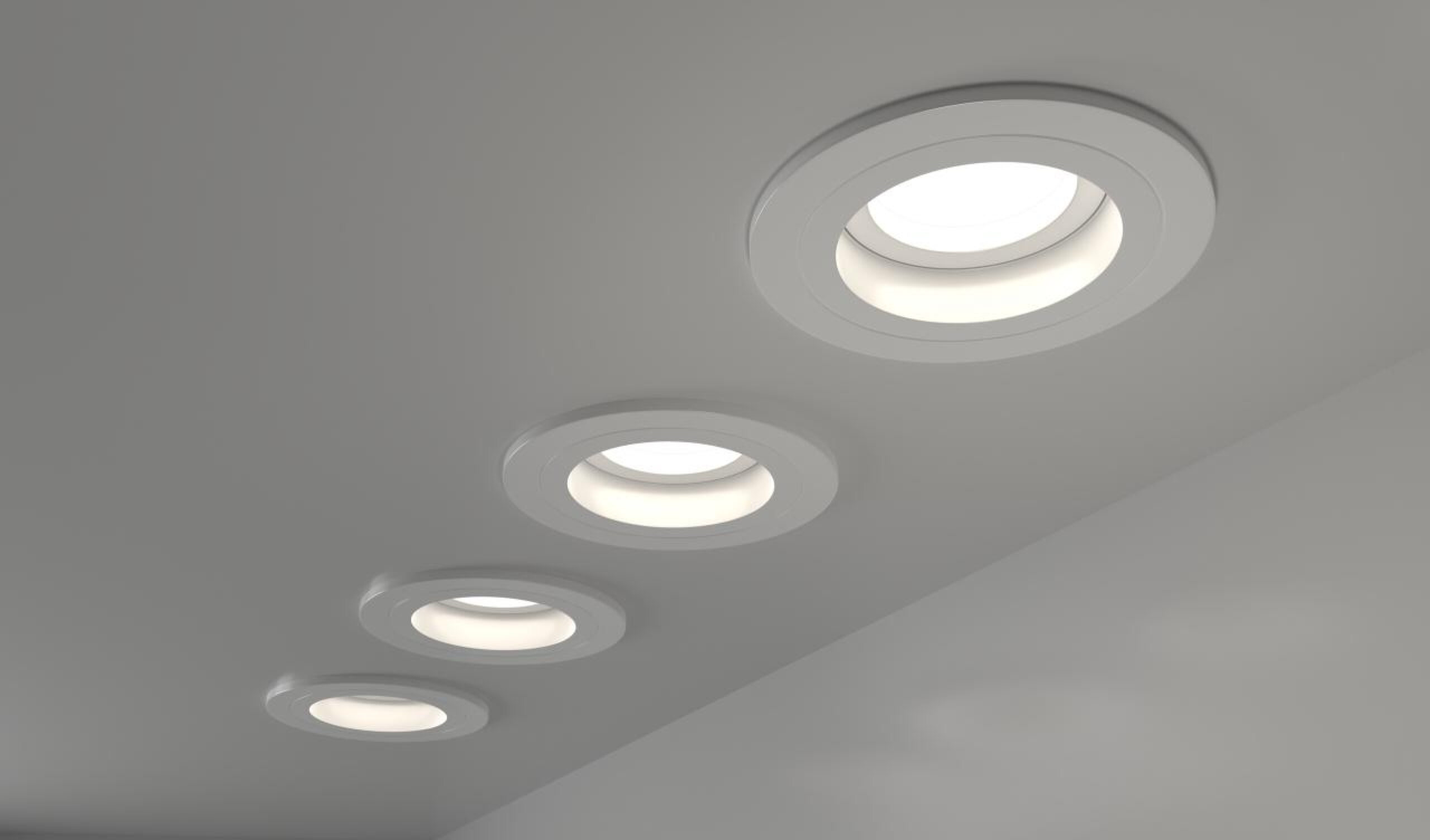
LED light installation and upgrades

Moving from halogen or old fluorescent fittings to LED is the upgrade most older Sydney homes benefit from. LED draws far less power and runs much cooler, but it is not always a like-for-like swap.

What we look at for each fitting type

Fitting Type Main Check Before Installation Common Planning Point
Downlights Insulation, joists, ducting and fire rating Layout and beam angle suited to ceiling height
Pendants and chandeliers Weight and fixing to structure Drop height and switching or dimming plan
Track and monorail Total load and transformer or driver size Planning before plastering for recessed profiles
Wall lights and sconces Cable route and switch position IP rating in bathrooms and laundries
Ceiling fan lights Fan-rated mounting point Separate control of fan and light
LED strip and cove Driver location and access IP rating, colour consistency and corner joins
Flush and surface-mount Ceiling type and fixing method Brightness and colour for the room’s use
LED upgrades Existing transformers, dimmers and housings Compatibility to prevent flicker and buzzing

Signs your lighting needs a licensed electrician

What You Notice What It Can Mean Sensible Next Step
Lights dim when the kettle or air conditioner starts Loose connection or an overloaded circuit Have the circuit tested; do not open fittings yourself
Humming, buzzing or flicker on a dimmer Dimmer and LED load do not match Fit a dimmer matched to the LED load, or change the driver
A downlight that cuts out, then comes back on Overheating, often from insulation pressed against the fitting Switch it off and have the fitting and cavity checked
Brown stain or scorch mark near a fitting Heat damage or a poor connection Stop using the light and switch it off at the switchboard
Safety switch trips when a light is turned on Fault in the circuit, moisture or a failed fitting Do not keep resetting; arrange testing
Chandelier or rose that moves, or cracks in the ceiling around it Inadequate fixing to structure Stop using it until the support has been checked
A group of lights that all fail together Failed driver, transformer or shared connection Have the circuit diagnosed before replacing lamps repeatedly
installation

From first call to switch-on

You tell us what each room is used for, what bothers you about the current lighting and whether fittings are chosen. Photos help.

We inspect the ceiling space, switchboard and existing wiring where access allows, then provide a written quote that lists fittings, dimmers, switches and any extra circuit work.

You supply your own fittings or we help you select. Either way we check weight, IP rating, ceiling suitability and dimming compatibility before anything is installed.

We isolate the circuits, protect floors and furniture, cut and fix cleanly, wire and label, and keep dust contained.

We test circuits and protection devices, check switching and dimming, explain how it works and clear the site.

Most single ceiling fan installations, where a compatible point already exists, are completed within one to two hours. Jobs requiring a new circuit, switchboard capacity check, or difficult ceiling access take longer — we’ll always give you a time estimate before starting.

Safety and compliance on every lighting job

In NSW, wiring a light fitting into the electrical installation is licensed electrical work. Changing a lamp is fine for anyone; connecting, relocating or replacing the fitting itself is not. Fixed lights stay connected to your home’s wiring for decades, so the quality of the connection, the protection and the support matters long after the job is finished.

AS/NZS 3000 (the Wiring Rules)

covers recessed luminaires, clearances to insulation, ceiling and wet area requirements and circuit protection.

Safety switch (RCD) protection

lighting circuits we install or alter are protected as current standards require.

IP ratings

Fittings in bathrooms, laundries and similar areas are selected for the zone they are in.

Compliant equipment

if you supply your own lights, we check they carry the right compliance marking and suit the room, ceiling and dimming method.

Testing and paperwork

Every circuit is tested before handover, and we provide the compliance documentation required for the work.

Why Sydney customers choose Beattie Electrical

Licensed electricians on every job.

Built-up dust throws blades out of balance and reduces airflow.

We look before we quote

so the price and method reflect your actual ceiling and wiring.

Written, itemised quotes

Wth fittings, dimmers, switches and extra work listed separately.

Tidy work

Furniture protected, dust contained, site left clean.

Safety first

With testing and documentation completed before we leave

Your lights or ours

bring your own fittings from any retailer or ask for guidance.

A ceiling fan is a low-maintenance fixture, but a few habits extend its life significantly:

Areas we service

Beattie Electrical provides indoor lighting installation across Sydney, including the Inner West, Eastern Suburbs, Lower North Shore and Northern Beaches, with homes and apartments in suburbs such as Balmain, Paddington, Marrickville, Randwick, Chatswood and Manly. If your suburb is not listed, send it through and we will confirm availability. 

Planning new lights or fed up with old ones?  We will talk through options and provide a written quote before any work starts.

Frequently Asked Questions

Can I install a light fitting myself in NSW?
You can change a light globe, but connecting, moving or replacing a fixed fitting is licensed electrical work in NSW. Mistakes can lead to fire, shock and insurance problems, so use a licensed electrician.
Yes. Send us the model or show us the fitting before you buy if you can. We check weight, IP rating, ceiling suitability and whether it is dimmable. Buying from a reputable retailer helps ensure the fitting carries the right compliance marking.
Most often the dimmer is an older type that does not suit LED loads, or the LED driver and dimmer are not matched. The fix is usually a dimmer rated for your LED load, or a compatible driver, not new bulbs.
It depends on the ceiling height, the beam angle, brightness of each fitting and how the room is used. A good layout also uses other light sources, so you may need fewer downlights than you expect if wall lights, pendants or strip lighting do part of the work.
Often, but not always. Decorative plaster, shallow cavities, concrete slabs and fire-rating requirements can make recessed lights unsuitable. We look at the ceiling first and recommend surface-mount fittings, pendants or wall lights where they make more sense.
Sometimes. A like-for-like swap rarely needs it. New fittings in new positions may need small access holes or cable routes through the cavity. We explain where cutting is likely before work starts so there are no surprises.
It depends on how many fittings are involved, how easy the access is and whether new cable is required. A simple swap is quick, while new circuits in a finished ceiling take longer. We give a realistic time estimate with the quote.
Yes. We check strata rules on work hours and anything affecting common property or fire-rated ceilings, and we plan cable routes that suit concrete slabs and limited access.
Yes, including general lighting for small commercial spaces. We can schedule work around trading hours and discuss emergency and exit lighting at the same time.
Get a free quote