
Exhaust Fan Installation Sydney
A house that's been closed up all day holds onto steam, cooking smells and stale air far longer than most people realise, and it's usually the bathroom mirror or the kitchen ceiling that shows the damage first. Beattie Electrical installs and upgrades exhaust fans across Sydney bathrooms, kitchens, laundries, toilets and commercial kitchens, with every fan wired by a licensed electrician and ducted to a proper outside termination point rather than dumped into the roof cavity.
Why Sydney Homes Need Properly Installed Exhaust Ventilation
Clears steam and condensation from bathrooms before it soaks into ceilings and cornices
Pulls cooking grease, smoke and odours out of the kitchen through a rangehood or wall fan
Removes trapped humidity from laundries, where dryers and wet washing add moisture all day
Ventilates enclosed toilets that have no window and no other way for air to escape
Reduces the conditions that let mould, mildew and musty smells take hold in bathrooms and roof cavities
Need Help Choosing?
Tell us your room size, ceiling height, and how you use the room. We'll recommend suitable options.
Signs You Need a New Exhaust Fan or a Proper Reinstall
The bathroom mirror is still fogged 20 minutes after a shower
Mould keeps returning to the same corner of the ceiling despite regular cleaning
The fan runs but you can't feel any real airflow when you hold your hand under it
The fan rattles, hums loudly or grinds, especially as it slows down or speeds up
There's visible staining or a musty smell in the roof space above the bathroom
The kitchen still smells like last night's dinner the next morning
The laundry window fogs up every time the dryer runs
You've renovated and the old fan location no longer suits the new layout
Types of Exhaust Fan Installation
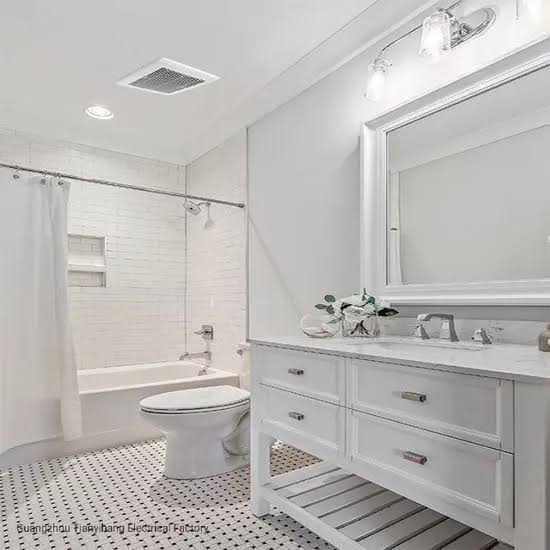
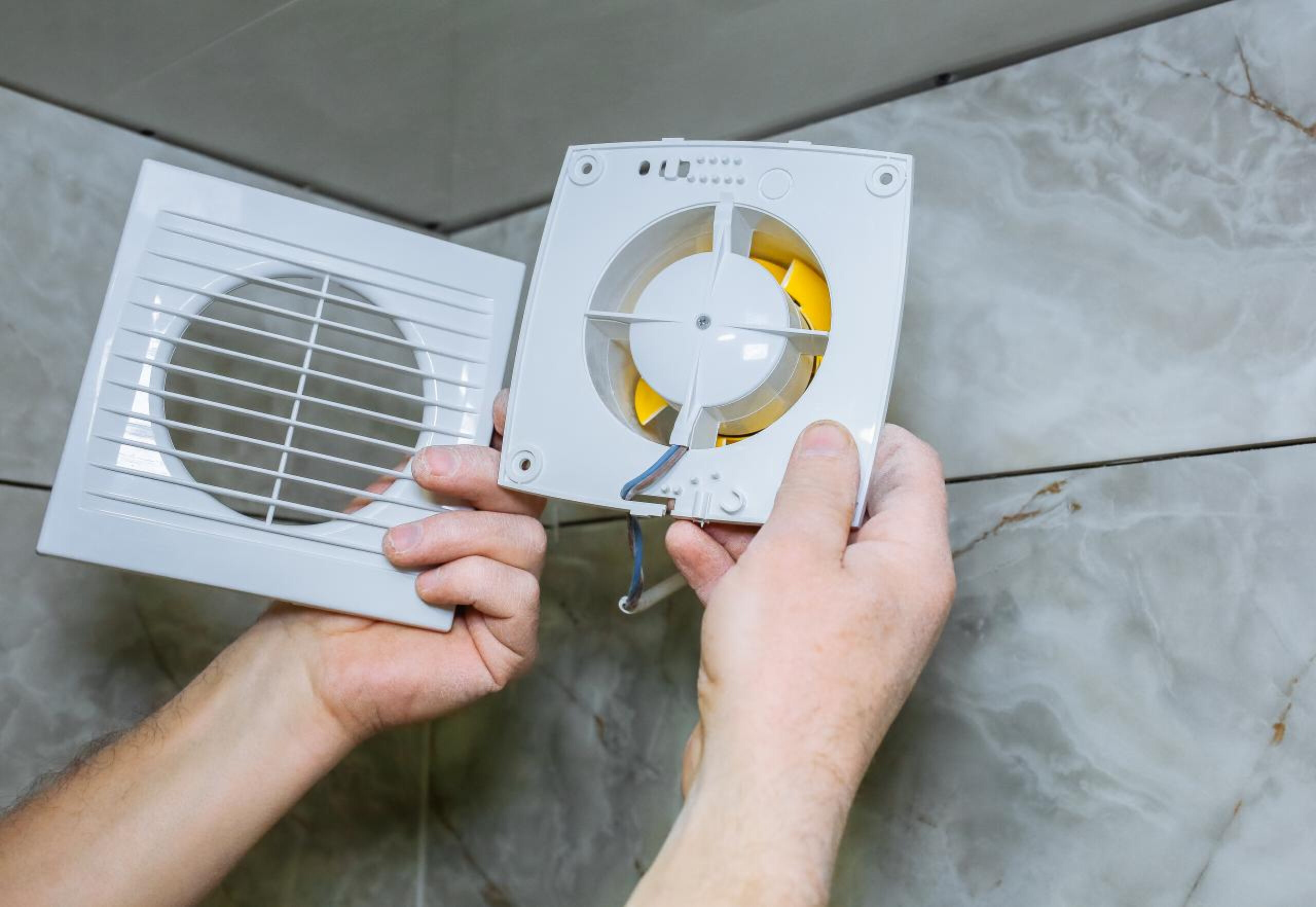
Bathroom Ceiling Fan
Wall-cavity or ceiling-mounted bathroom exhaust fans are the standard fix for steam, condensation and lingering odours in Sydney bathrooms.
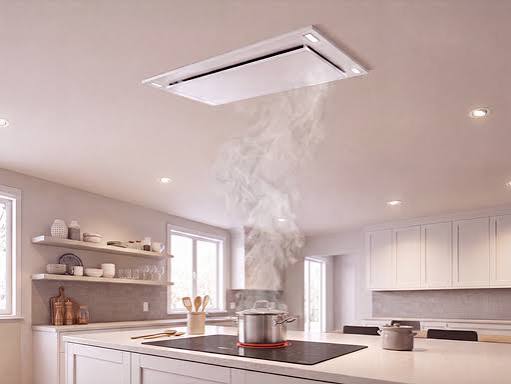
Kitchen Rangehood
Kitchen exhaust ventilation runs through a rangehood that ducts cooking smoke, grease and steam outside instead of letting it settle across cabinetry and ceiling surfaces.
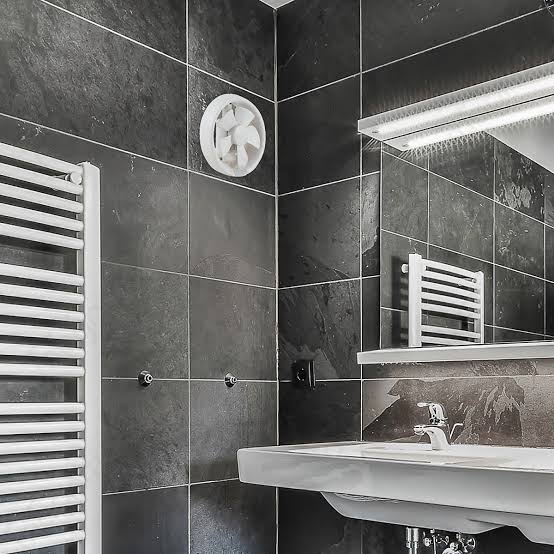
Toilet Exhaust Fan
Separate toilet rooms across Sydney homes need their own dedicated exhaust ventilation under the National Construction Code, and this becomes a strict requirement rather than a nice-to-have in newer apartments where the toilet is fully enclosed with no external window.
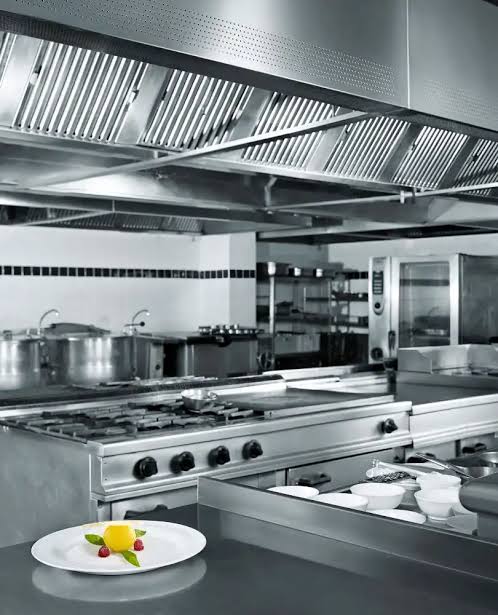
Commercial Exhaust System
Commercial cafes, restaurants and small Sydney offices need a higher-capacity exhaust setup than a domestic fan can provide, typically with dedicated power supply (often three-phase), full kitchen-grade grease filtration, and ducting routed to a compliant exterior location.
Our Installation Process
we look at the room, existing ventilation (if any), roof or wall access, and how the space is actually used
we recommend the fan type, airflow rating and ducting route suited to the space, not a one-size-fits-all unit
circuits are run and protected to AS/NZS 3000, with isolation switches fitted where needed
the fan is fitted and ducted through to a proper outside termination, sealed against draughts and pests
we check airflow, noise levels and switching before calling the job finished
a Certificate of Compliance for Electrical Work is issued for the completed installation
Common Problems With Existing Exhaust Fans
Fan ducted into the roof cavity instead of outside, trapping moisture where it can't be seen
Undersized fan that runs constantly but never clears the room
Rattling or grinding noise from worn bearings or a loose fan housing
Ducting crushed, disconnected or full of lint, choking airflow even from a good fan
Fan wired to run only with the light, which isn't always the most practical or compliant setup
Shared apartment ducting that carries odours between units when the system wasn't designed correctly
Not sure what's causing the issue?
We'll inspect, diagnose, and get your fan running safely and efficiently.
Preventative Maintenance Advice
Wipe down fan covers and grilles every few months so dust doesn't choke airflow
Listen for new rattles, hums or grinding, which usually signal a bearing or mounting issue starting to develop
Check that the fan is still clearing steam within a few minutes after a shower
Have ducting inspected periodically, particularly after renovations that may have disturbed the run
Book a professional service if airflow feels weaker than it used to, rather than waiting for total failure
Benefits of Correctly Installed Exhaust Ventilation
- Faster clearing of steam, smoke and cooking odours after the room is used
- Lower risk of mould, mildew and paint or plaster damage over time
- Quieter operation when the fan is sized and mounted correctly rather than overworked
- Better protection for cabinetry, ceiling linings and insulation from long-term moisture exposure
- Compliance with National Construction Code ventilation requirements for enclosed wet areas
- A healthier, more comfortable indoor environment for everyone in the home
Exhaust Fan Types
| Fan Type | Best Suited To | Noise Level | Install Complexity | Airflow Strength |
|---|---|---|---|---|
| Ceiling-mounted fan | Bathrooms with roof access | Low to moderate | Straightforward | Good for standard bathrooms |
| Wall-mounted fan | Laundries, tight spaces without roof access | Moderate | Straightforward | Suited to smaller rooms |
| Inline (ducted) fan | Apartments, larger bathrooms, noise-sensitive rooms | Low (unit sits away from room) | More involved — needs roof or ceiling cavity space | Strong, consistent airflow |
| Rangehood (ducted) | Kitchens | Varies by model and speed setting | Moderate — depends on duct run to outside | High, sized to cooking load |
| Commercial exhaust system | Cafes, restaurants, commercial kitchens | Higher, by design | Complex — often three-phase, kitchen-grade filtration | High-capacity, sized to kitchen load |