Beattie Electrical

House Rewiring Electrician Sydney

Old wiring doesn't announce itself until something goes wrong a breaker that trips for no obvious reason, a power point that's warm to the touch, or a builder pulling back a wall to find rubber-sheathed cable that should have been replaced decades ago. Beattie Electrical works through these jobs the way most Sydney homes actually need them handled: methodically, with minimal mess, and with every circuit tested and certified before we call the job finished.

Benefits of Rewiring Your Home

Removes a genuine fire and shock hazard hidden inside walls and roof spaces

Restores full circuit capacity for the appliances a modern household actually runs

Gives you a documented compliance record that supports insurance claims and resale

Cuts down on nuisance trips, blown fuses and flickering lights

Leaves you with a clearly labelled, modern switchboard instead of a mystery fuse box

Need Help Choosing?

Tell us your room size, ceiling height, and how you use the room. We'll recommend suitable options.

Signs Your Sydney Home May Need Rewiring

Most homeowners don’t wake up one day and decide to rewire they notice a pattern of small issues that, taken together, point to wiring nearing the end of its service life. Common signs include:

Lights that flicker or dim when an appliance like a kettle or air conditioner starts up

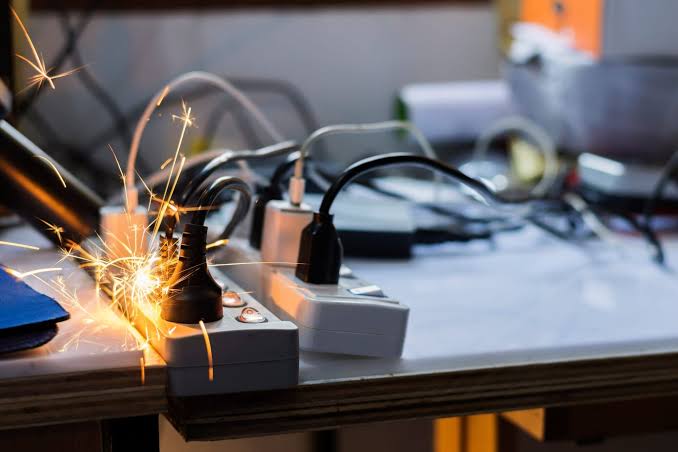
Power points that feel warm, or have a scorched or discoloured faceplate

Circuit breakers or fuses that trip repeatedly, especially under normal use

A burning smell near the switchboard or a specific power point

Buzzing or crackling sounds coming from outlets or switches

A switchboard still fitted with ceramic fuses rather than circuit breakers

Fabric or rubber-sheathed cable visible in the roof space or subfloor

A building and pest inspection report flagging old or deteriorating wiring

None of these on their own guarantee a rewire is needed, but a home built before 1980 showing more than one of these signs is worth a proper on-site assessment rather than a guess.

Types of Rewiring We Carry Out

Every Sydney home is different, so we scope each job against what the property and the family living in it actually need, rather than defaulting to a full rewire as the only option:

Full House Rewiring

We replace wiring circuit by circuit throughout the property, fit a new switchboard sized to the home's actual load, and lodge a Certificate of Compliance for Electrical Work once every circuit has been tested.
Partial House Rewiring

Not every home needs the whole property opened up. Where only certain rooms or circuits have deteriorated, we isolate and replace just those runs, leaving the rest of the house powered, tested and undisturbed for the duration of the job.

Heritage Home Rewires

Federation cottages, Californian bungalows and inter-war homes across Sydney often still carry vulcanised rubber or cloth-insulated cable behind original cornices, picture rails and skirtings. We trace these runs carefully and plan access points that protect period detailing wherever the job allows.

Switchboard Rewire and Upgrade

A rewire is usually the moment to deal with an ageing switchboard too swapping ceramic fuses and undersized boards for a modern unit fitted with circuit breakers, RCD safety switches, and circuits labelled clearly enough that the next electrician (or the homeowner) can actually make sense of them.

Pre-Renovation Rewiring

Getting the wiring sorted before a kitchen, bathroom or extension gets closed in avoids paying twice for wall access later,

Post-Purchase Rewiring

When a building and pest inspection flags old wiring before settlement, we scope the rewire against that report so new owners can plan the work and the budget

Asbestos Switchboard Replacement

We coordinate licensed asbestos removal alongside the rewire so the hazard is dealt with properly rather than built over and left for the next owner to find.

Cable Upgrade for Modern Loads

Cable sized for a 1960s household of lamps and a fridge often can't safely carry an induction cooktop, ducted air conditioning, an EV charger and a home battery running together. We upsize the circuits that matter most before those loads get added, rather than after something trips.

Sub-Circuit Replacement

Where only a single circuit has failed a scorched connection at the sub-board, or a run that tripped testing during a sale we replace that circuit alone, leaving the rest of the property's wiring untouched if it's still testing sound on inspection.

Three-Phase Conversion

Bigger loads, home workshops, and some EV charger or solar-plus-battery setups call for three-phase power. We manage that upgrade alongside the network provider, coordinating the new service cable, meter and switchboard work as one project rather than three separate headaches.

Strata Common-Area Rewiring

Strata buildings scheduling common-area rewires for stairwells, basement car parks, plant rooms and shared risers need work coordinated through the strata manager, sequenced around resident access, and reported back to the committee with a clear scope and sign-off at every stage.
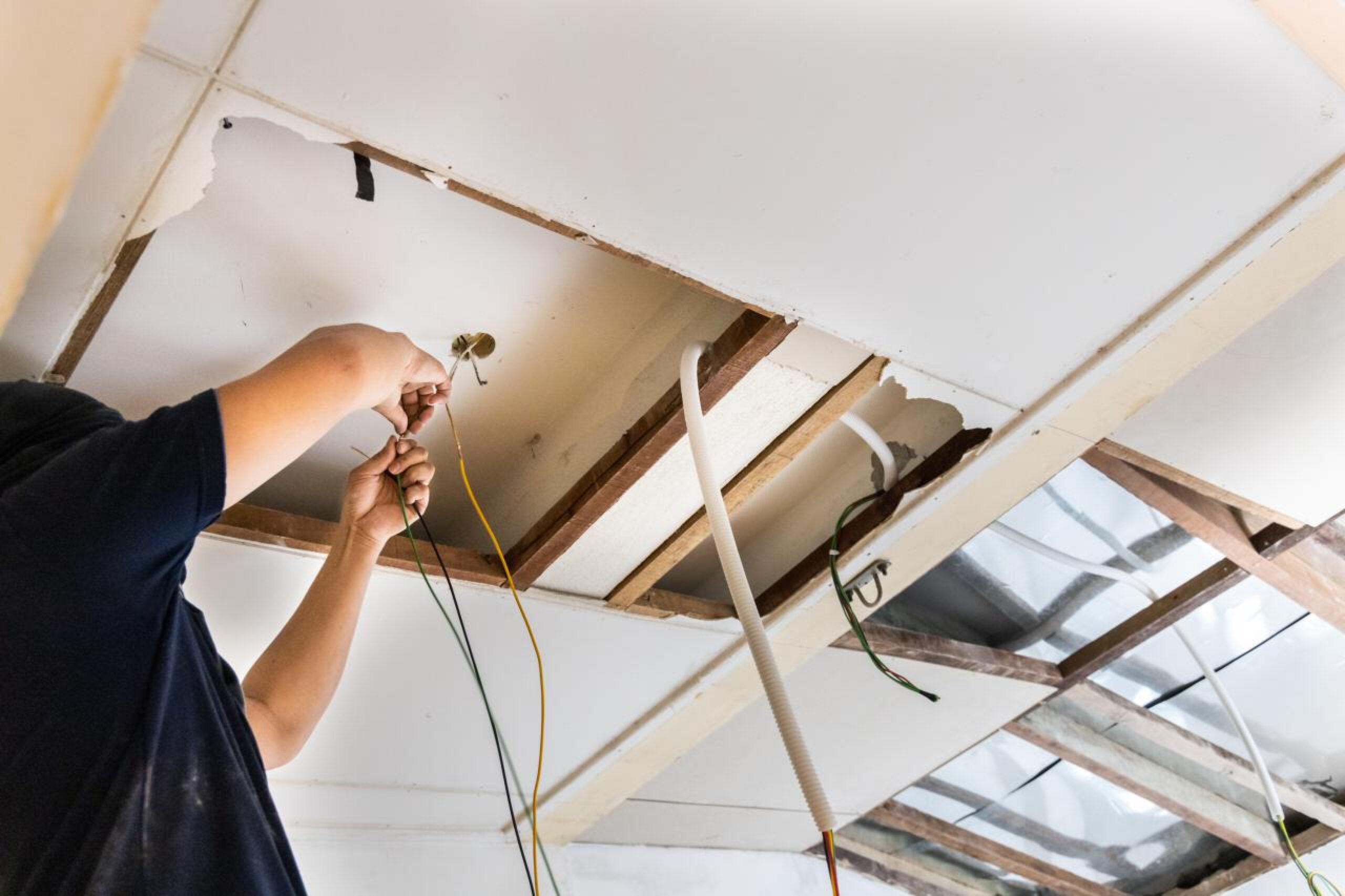
There’s also a compliance side that matters if you ever sell the property or make an insurance claim. Electrical work carried out by an unlicensed person, or without a Certificate of Compliance for Electrical Work (CCEW), can complicate both — insurers are entitled to ask for it, and conveyancers increasingly do.
installation

Our Rewiring Process

we walk the property, check switchboard condition, and identify accessible and difficult cable runs

scope, staging and an estimated timeframe confirmed before any work is booked

new cable pulled through walls, roof and subfloor cavities with minimal reinstatement work

powerpoints, switches, light fittings and the switchboard connected and clearly labelled

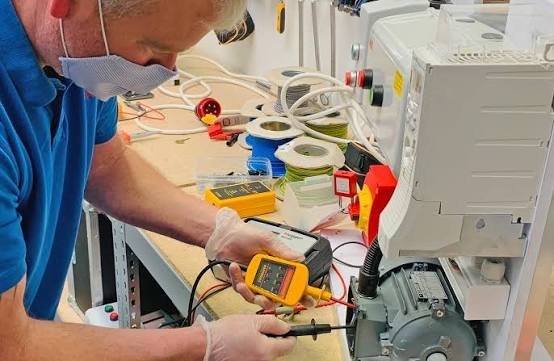
insulation resistance, RCD trip time and earth fault loop impedance checked on every circuit

lodged and handed over, with the property ready for reinstatement trades if needed

Common Problems We Find During Rewires

Wiring joined by different owners across decades, creating mixed-era connections that were never designed to work together

Undersized original cable now feeding modern high-draw appliances it was never rated for

Corroded or previously DIY-repaired connections hidden behind walls and ceilings

Additions from earlier renovations that were never brought up to current standard

Preventative Electrical Maintenance Advice

Book a periodic electrical safety inspection, particularly for homes over 20 years old

Test safety switches at the switchboard every few months using the built-in test button

Keep an eye on the switchboard for warmth, discolouration or a burning smell

Deal with single-circuit issues promptly, rather than letting them compound into a full rewire

Australian Compliance Requirements

  • All rewiring work must meet the AS/NZS 3000 wiring rules (the Australian/New Zealand Standard for electrical installations)
  • Only a licensed electrician can legally carry out switchboard and circuit wiring work in NSW
  • A Certificate of Compliance for Electrical Work (CCEW) is lodged after testing confirms the installation meets standard
  • Modern circuits must be protected by RCD safety switches, not just circuit breakers alone
  • Asbestos-containing switchboard components must be handled and disposed of through licensed asbestos removal, not general demolition

Rewiring Options by Scope Disruption and Fit

Rewire Type Typical Scope Disruption Level Best Suited To
Full House Rewire Every circuit, powerpoint, switch and light circuit replaced, plus new switchboard High — staged over multiple days, most rooms affected in turn Homes built before 1980 with widespread original cabling still in use
Partial Rewire Selected rooms or circuits only; rest of the property stays live Low to moderate — contained to the affected zone Homes with one ageing section (e.g. an original wing) but sound wiring elsewhere
Sub-Circuit Replacement A single damaged or non-compliant circuit Low — usually a single-day job A specific fault or defect flagged on inspection, rest of the home compliant
Switchboard Upgrade Alone Switchboard and main protective devices, not the branch cabling Low — typically half a day to a day, power off briefly Homes with sound cabling but an outdated fuse-wire or undersized board

Warning Signs, Likely Cause and Recommended Action

Warning Sign Likely Cause Recommended Action
Lights flicker or dim when an appliance starts Loose connection or a circuit carrying more load than it was designed for Book a fault-finding visit; may point to a partial rewire of that circuit
Power point feels warm or has a discoloured faceplate Failing internal wiring or a loose termination behind the point Stop using it and arrange an inspection promptly
Breakers or fuses trip repeatedly Overloaded or degraded circuit no longer handling its rated load safely Circuit-by-circuit assessment to isolate the affected run
Burning smell near the switchboard or a power point Overheating wiring, connection or fuse — treat as urgent Turn off power to the area if safe to do so and call an electrician immediately
Fabric or rubber-coated cable visible in the roof or subfloor Original pre-1980s wiring nearing or past its safe service life Schedule a full rewiring assessment before further deterioration
Building/pest inspection report flags old wiring Ageing cable or switchboard identified during a property transaction Get a written scope and quote before or shortly after settlement

Frequently Asked Questions

How much does it cost to rewire a house in Sydney?
Cost depends on the size of the home, how accessible the roof and subfloor are, whether a switchboard upgrade is bundled in, and how much of the original cabling is still usable. Because every property is different, we scope the job on-site and provide a written, itemised quote before any work is booked, rather than quoting a figure sight unseen.
A full rewire on an average Sydney home typically runs across several working days, with heritage properties and homes with restricted roof or subfloor access taking longer due to careful cable tracing. A partial rewire or sub-circuit replacement is usually a much shorter job, often completed within a day or two.
In most cases, yes. We sequence the work so at least part of the property stays powered while other circuits are being replaced, and we talk through the plan for hot water, cooking and any medical equipment before the job starts so there are no surprises.
A full rewire replaces every circuit, powerpoint, switch and light in the property along with the switchboard. A partial rewire targets specific rooms or circuits that have failed or aged out, leaving the rest of the home’s wiring in service. Which one applies depends on how much of the original cabling is still testing sound.
Most full rewires are paired with a switchboard upgrade, since older fuse-wire boards generally can’t accept the number of circuits or the RCD safety switches a modern rewire requires. Partial rewires and sub-circuit work don’t always need one, particularly if the existing board is already compliant.
Yes. Every rewire we complete is tested insulation resistance, RCD trip time, and earth fault loop impedance and a Certificate of Compliance for Electrical Work is lodged once the job passes, giving you documented evidence the work meets AS/NZS 3000.
Get a free quote