
Ceiling Fan Installation Sydney
A well-installed ceiling fan won't replace your split system on a 38-degree day, but it does something an air conditioner can't do cheaply it keeps a room comfortable for the cost of running a light globe, and it makes every other cooling system in the house work harder for less.
Choosing the Right Fan for the Room
Room Size & Airflow
A fan undersized for the room barely moves air, while an oversized fan can dominate a smaller space visually and create excessive airflow. Blade span should always match the room's floor area—not just its appearance.
AC vs DC Motor
DC motor fans use significantly less electricity while delivering similar airflow and quieter operation, making them ideal for bedrooms. AC motor fans are generally more affordable and remain a reliable choice for living areas or budget-conscious installations.
Indoor or Outdoor?
Choose the correct fan for the environment. Damp and wet-rated outdoor fans feature sealed motors and corrosion-resistant materials. Installing an indoor fan outdoors will dramatically reduce its lifespan.
Fan with Light
Combination fan and light units are perfect for bedrooms and living rooms, reducing the need for multiple ceiling fixtures. Always check the light output is suitable for the room before choosing.
Control Options
Decide early whether you want a wall switch, pull cord, handheld remote, or smart app control. Your preferred control method affects wiring requirements during installation.
Need Help Choosing?
Tell us your room size, ceiling height, and how you use the room. We'll recommend suitable options.
Signs You Need a New Fan a Repair, or a Rewire
Replacing a Light with a Fan
Most rooms only have a standard light point. Upgrading the wiring and box ensures your fan is installed safely.
Wobbles or Makes Noise
Often fixable with balancing and a brace check. If not, a full replacement might be the better option.
New Build or Renovation
Fan points are roughed in during the frame stage for the cleanest, most cost-effective wiring.
Outdoor Areas
Outdoor entertaining areas need weather-rated fans and suitable mounting — damp-rated for covered, wet-rated for exposed.
Old, Noisy or Inefficient Fan
Older AC fans use more power. Upgrading to a modern DC fan means quieter operation and lower running costs.
High or Raked Ceilings
Downrod length must be correct, and some spaces may need extra access equipment for a safe install.
Why This Isn't a DIY or Handyman Job

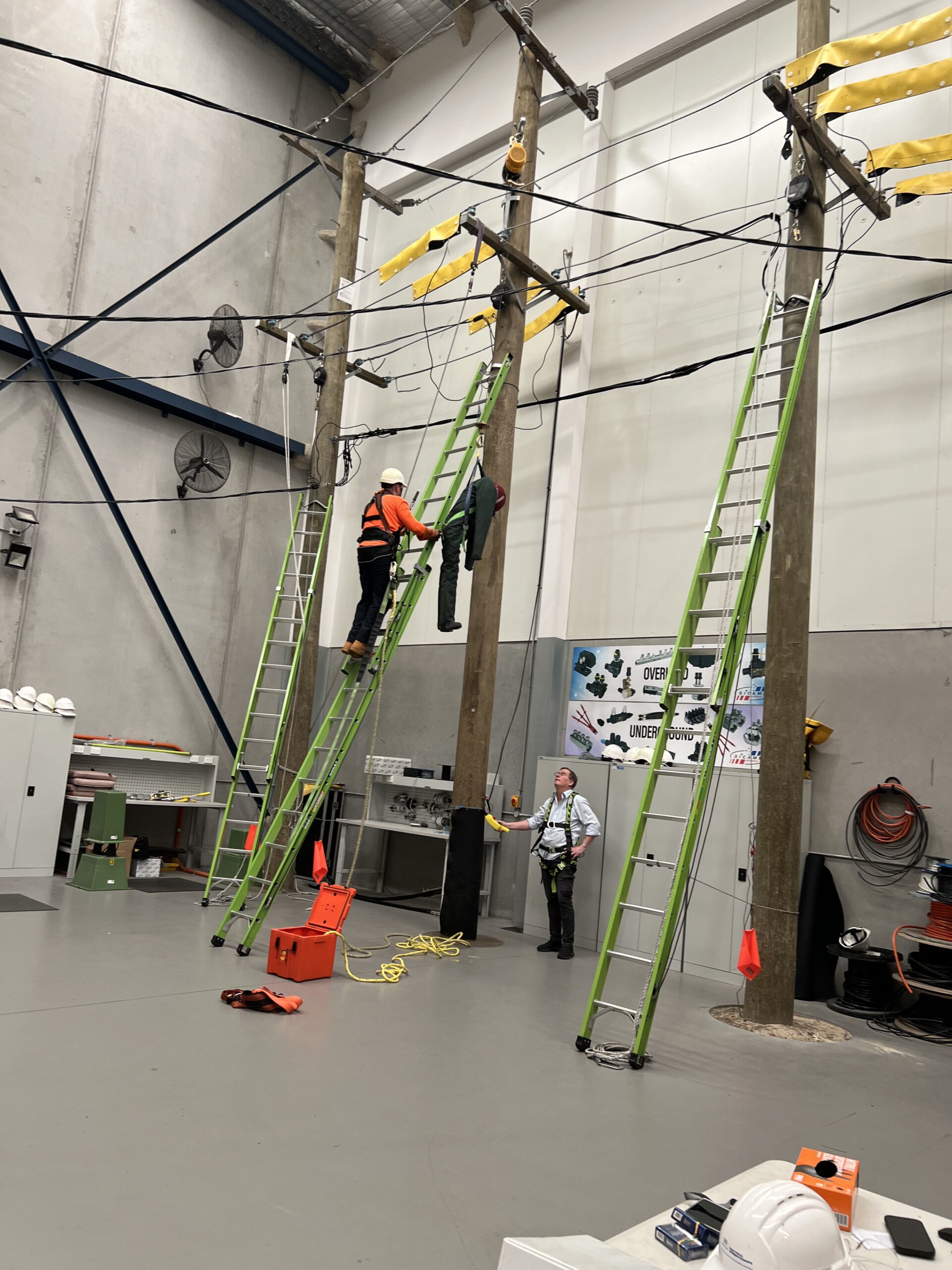
The electrical risk.
Incorrect wiring at the switch, a poorly terminated connection in the canopy, or a fan wired onto a circuit that can't handle the additional load can lead to overheating, tripped circuits, or in worse cases, a fire risk that sits hidden above your ceiling for months before it shows itself.
The mechanical risk.
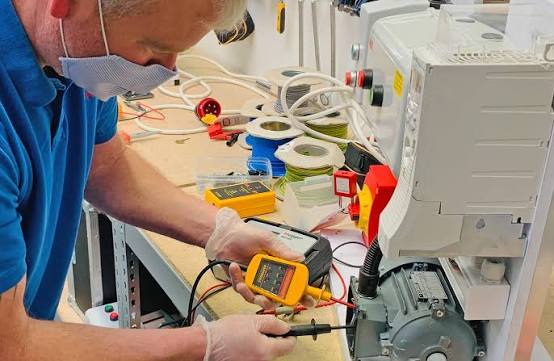
A ceiling fan that isn't properly braced doesn't fail quietly. Motors run continuously, and if the mounting point isn't rated for that ongoing vibration, it works loose over time. We've seen fans installed into a standard plasterboard anchor start to sag within a year — and a fan that comes loose from the ceiling is not a minor repair, it's a genuine hazard to anyone underneath it.
Our Installation Process
We check the ceiling type (plaster, concrete, raked), locate joists or existing structure, and confirm what's currently wired to the point.
We confirm the circuit can handle the fan (and light, if combined), and check the switchboard has appropriate circuit protection.
We fit a fan-rated brace or bracket secured to structural framing — not just the plasterboard sheet.
All connections are made to AS/NZS 3000 standard, with correct earthing and secure terminations in the canopy.
Once mounted, we run the fan through every speed, check for wobble or noise, and test any light kit, wall control, or remote.
You receive a Certificate of Compliance for Electrical Work, which you should keep with your property records.
Re-bedding and re-pointing ridge and hip tiles to keep the roofline weathertight.
A final walk-through and sign-off to confirm the work meets our quality standard.
Common Problems We Get Called Out For
Loose or Improper Installations
Fans mounted in a standard light box, not a fan brace.
Mounted Too Low
Fans installed too low kill airflow efficiency and reduce performance.
Undersized or Shared Circuits
Causes trips under load due to insufficient power supply.
Capacitor Failure
A failed capacitor prevents startup or causes the fan to run on one speed.
Reversed Wiring
Wiring backwards or using a reverse/summer-winter switch stops the fan.
Corrosion in Outdoor Fans
Moisture exposure corrodes motors in non-rated fans, leading to failure.
Not sure what's causing the issue?
We'll inspect, diagnose, and get your fan running safely and efficiently.
Preventative Maintenance Tips
Dust the blades every few months.
Built-up dust throws blades out of balance and reduces airflow.
Check for wobble periodically
especially after very hot weeks when fans run for extended periods.
Don't hang anything
from the fan or downrodit's not rated as a fixing point.
Have outdoor fans inspected annually
particularly before summer, as exposed motors are more prone to wear.
Turn fans off (not just to zero) during electrical storms
as a precaution for any powered fixture.
Get it checked if the remote becomes unreliable
this is sometimes a receiver fault rather than a battery issue, and worth diagnosing rather than replacing the whole unit.
Why Sydney Homeowners Choose Beattie Electrical
Every ceiling fan we install is fitted by a fully licensed electrician, not a subcontracted handyman the same person who wires the fan also checks your switchboard can handle it and signs off the compliance certificate.
We quote the job as a fixed price before we start, based on your ceiling type and existing wiring, so there’s no surprise invoice when we finish. We turn up when we say we will, we leave the site as clean as we found it, and if something isn’t right after we’ve left, we come back and fix it — that’s the standard we hold ourselves to on every job, whether it’s one fan in a bedroom or a full house fit-out.
We work across Sydney’s inner suburbs, the North Shore, the Inner West, and out toward the Hills District and Sutherland Shire, so wherever you are, there’s a good chance one of our team is already working nearby.
Ready to get your ceiling fan installed properly? Get a fixed-price quote from Beattie Electrical today.