
Beattie Electrical

Outdoor Light Installation Sydney

Beattie Electrical designs and installs outdoor lighting for Sydney homes, strata properties and commercial sites. Our licensed electricians handle the whole job: planning the layout, running weatherproof cabling, mounting the fittings, connecting everything to a safety-switch-protected circuit, then testing and aiming each light so it does its job without glaring into the neighbour's bedroom.

The types of outdoor lighting we install

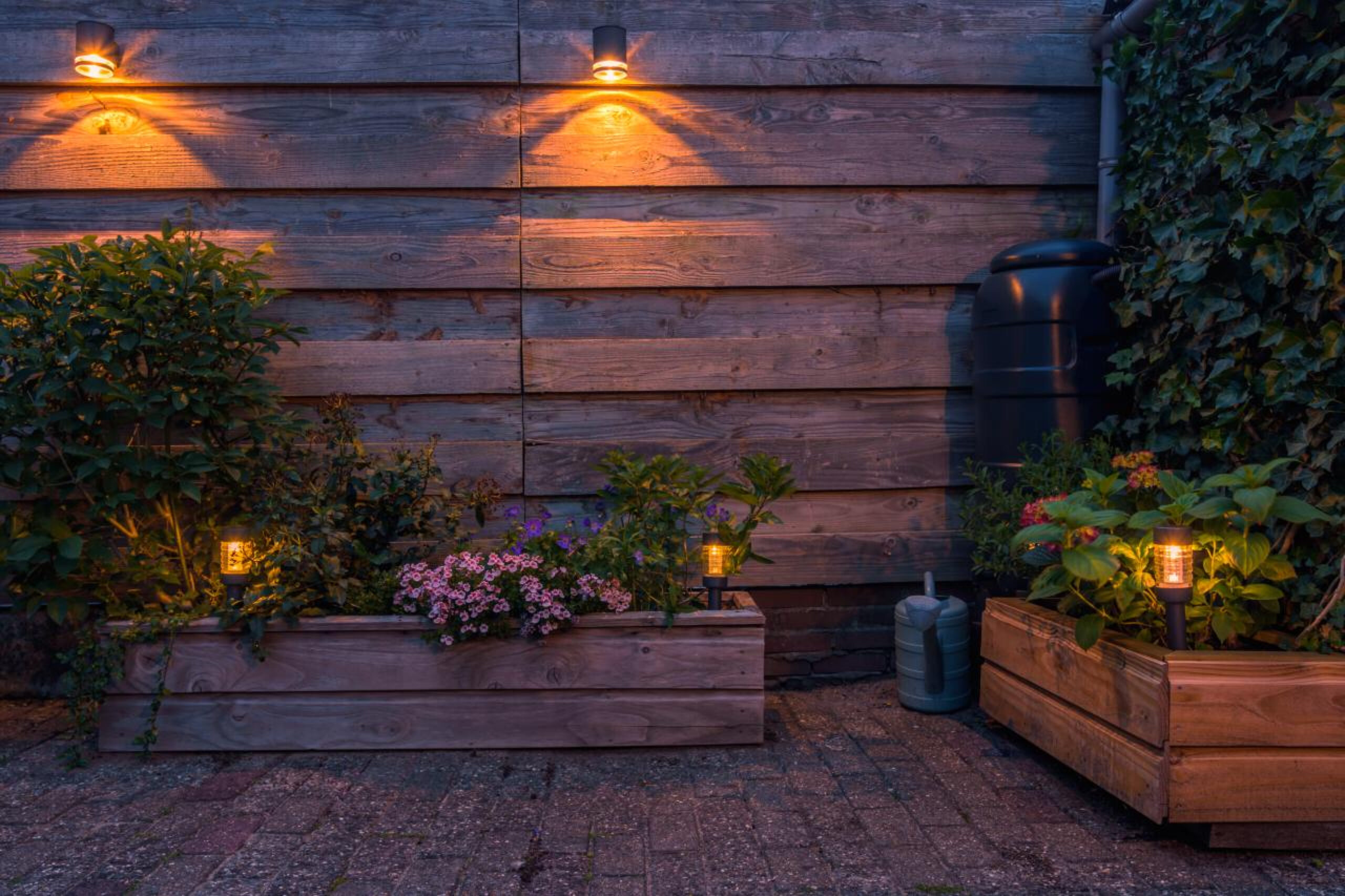
Garden lighting

Garden lighting is about shaping what you see at night, not flooding it. Uplights at the base of a tree, spike lights in a planting bed, and well lights set into lawn or paving all throw light onto leaves, bark and stone while keeping the source itself out of your eyeline.
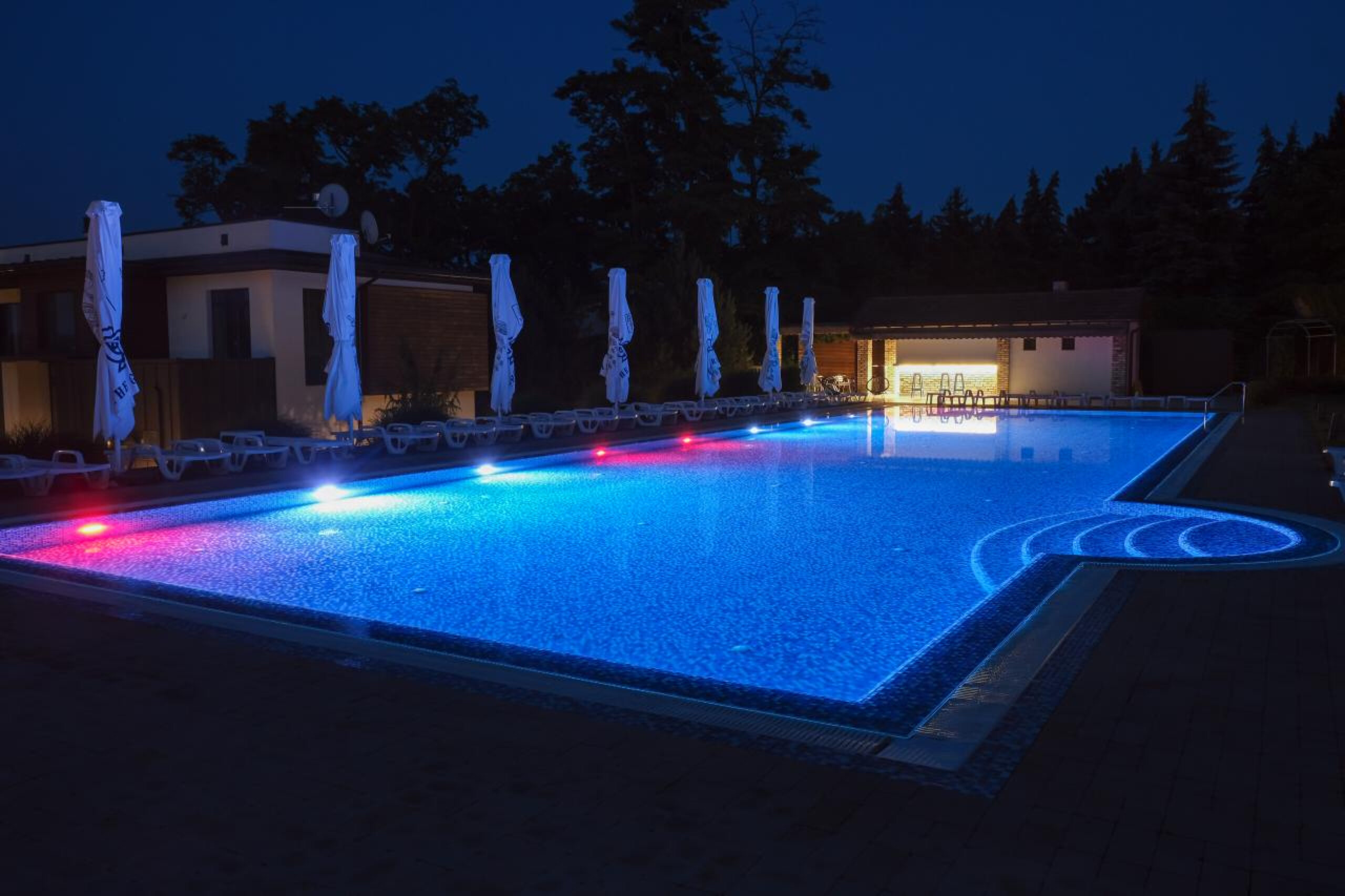
Illuminated swimming pool at dusk featuring multi-colour blue and magenta underwater LED pool lighting installed by Beattie Electrical

Pool lighting

We install new LED pool lights, replace failed units, convert tired halogen lamps to LED, and wire the lighting around the pool surround. Two firm rules: never open or swap a pool light with the circuit live, and never use garden-grade fittings in or beside a pool.
Security lighting

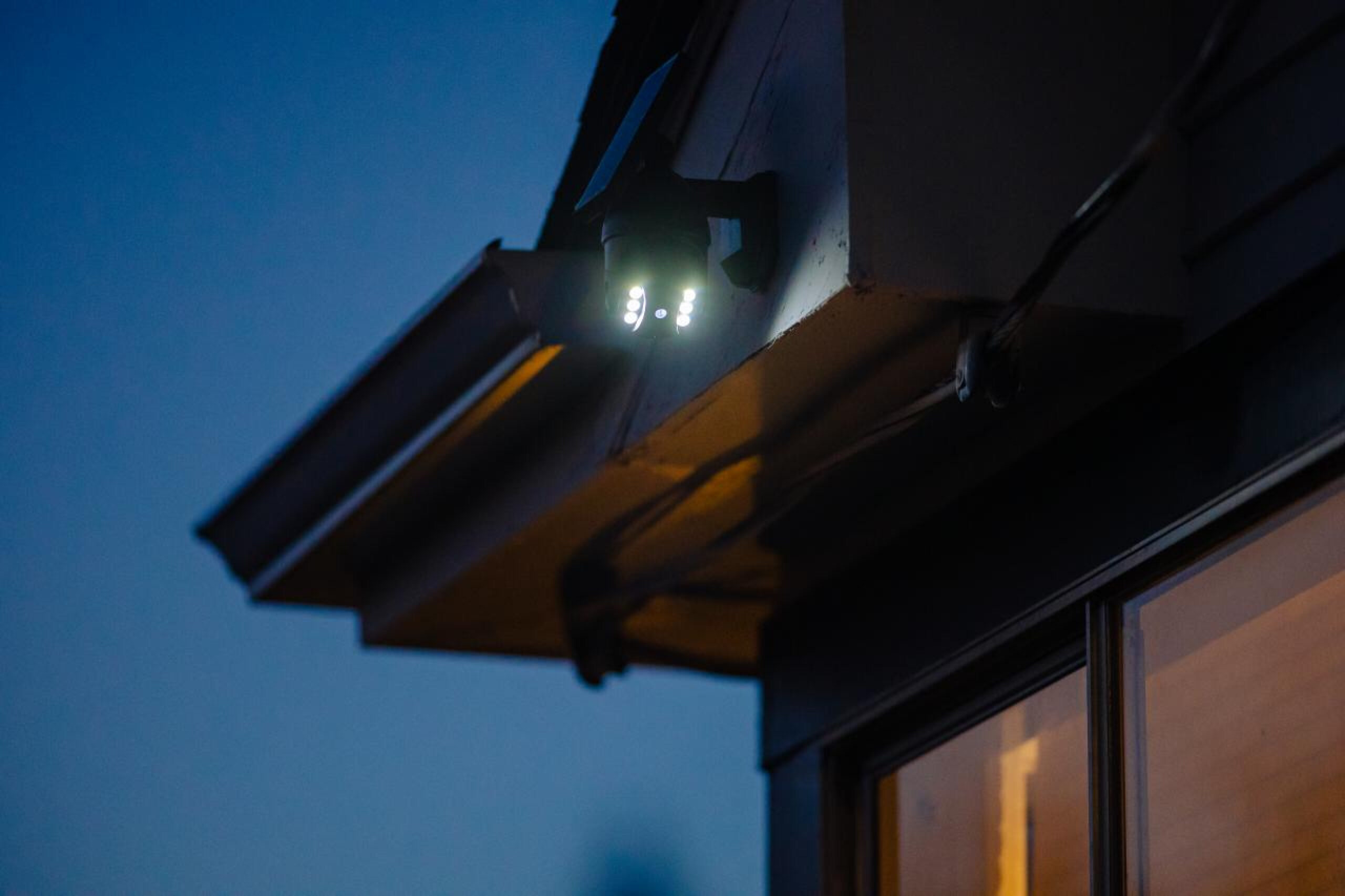
Effective security lighting is layered, not just bright. We typically combine a low, constant light at doors and gates with motion-activated LED lights covering side access, the back door and the carport. Mounting height, aim and sensor sensitivity matter as much as the fitting itself:
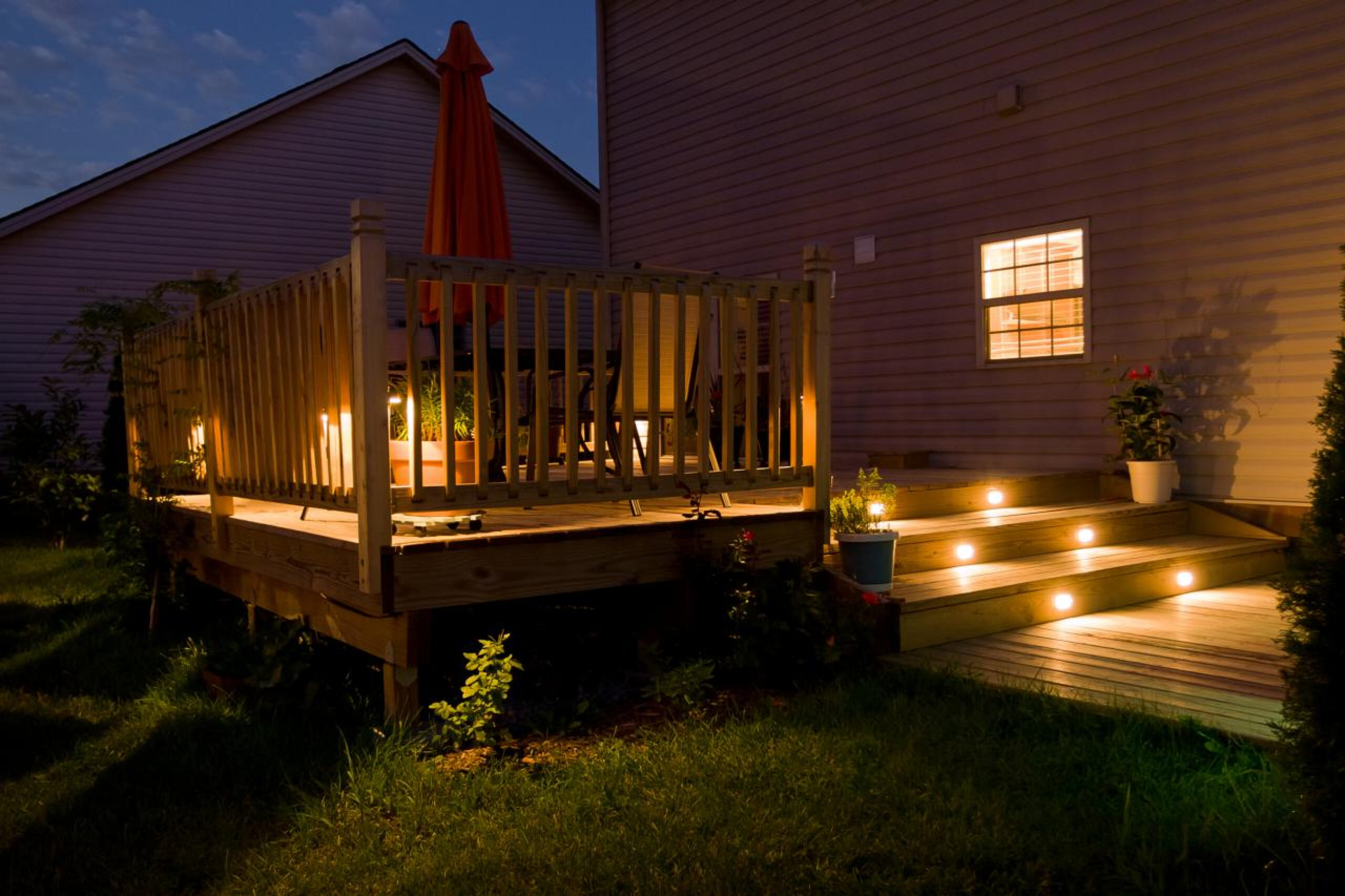
Warm recessed LED step lights and balustrade lighting illuminating a timber backyard deck and patio at dusk installed by Beattie Electrical

Deck and patio lighting

A deck or alfresco area needs light that suits people sitting down: warm, glare-free and dimmable. Depending on the structure, that might mean downlights in the eave or pergola ceiling, wall lights beside the doors, post lights on the balustrade, or low-level lights along the deck edge or stair treads.
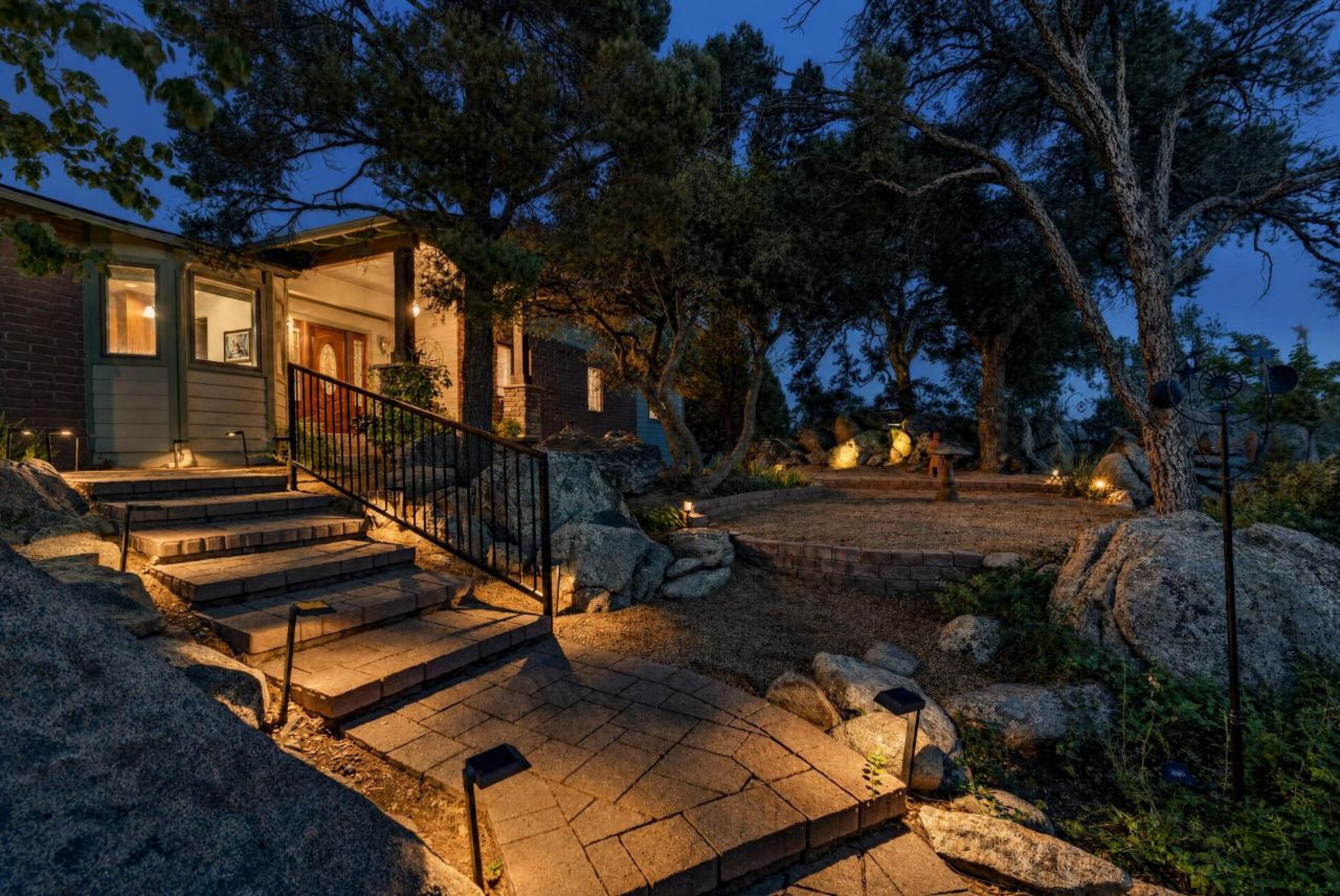
Warm low-voltage outdoor pathway lights illuminating stone garden steps and a residential front walkway at dusk installed by Beattie Electrical

Pathway lighting

Pathways, steps and driveways are where most night-time trips happen, so this lighting is mostly about safety. Bollards, recessed step lights, riser lights and low wall lights mark edges and level changes with a gentle, even spread.
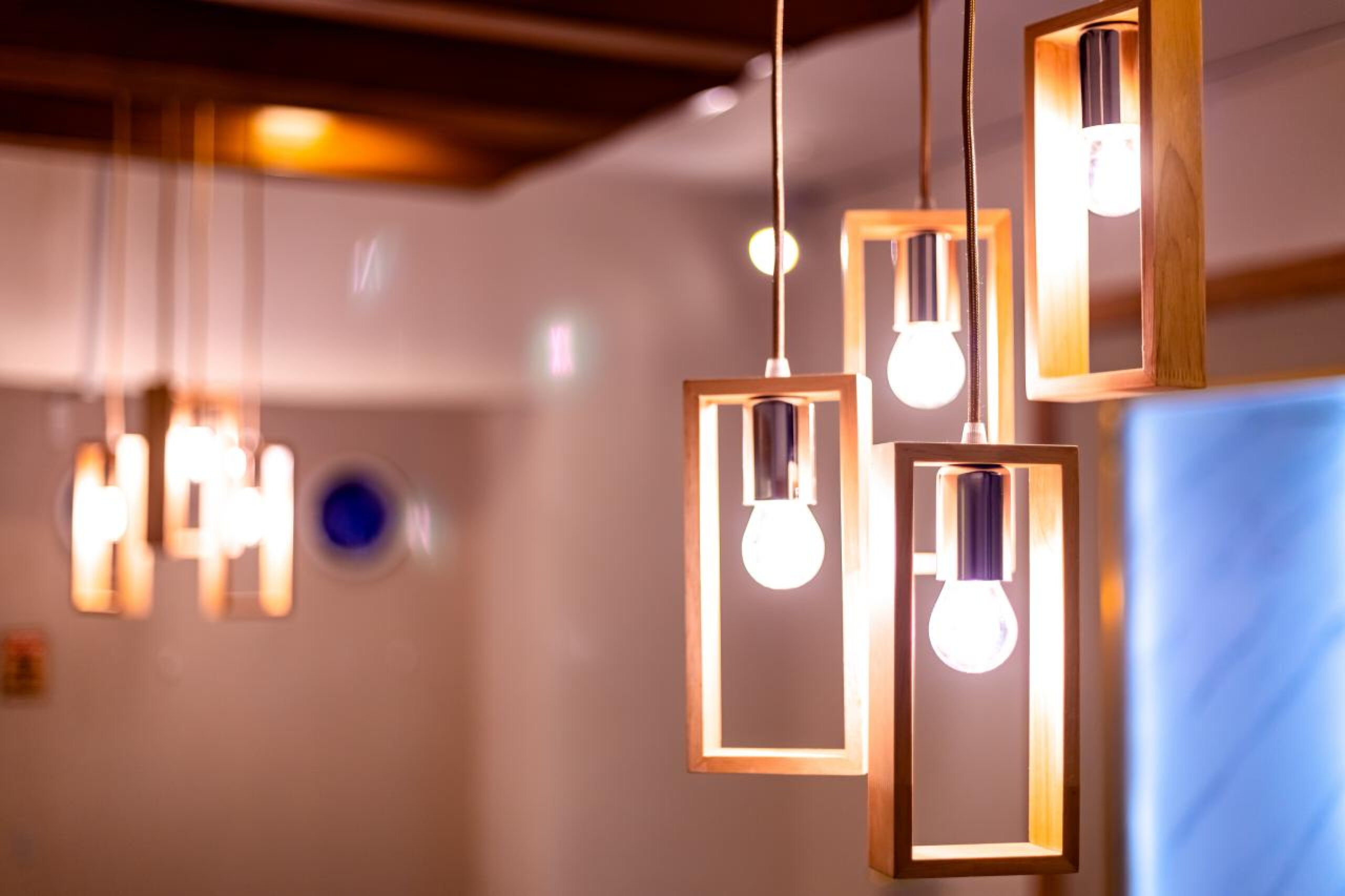
Cluster of geometric timber-framed architectural pendant lights suspended from a modern ceiling installed by Beattie Electrical

Architectural wall lighting

Wall lighting gives a home or building its shape after dark. Up/down lights graze texture across face brick or sandstone, wall washers even out a rendered façade, and recessed fittings sit neatly into cladding or batten screens.
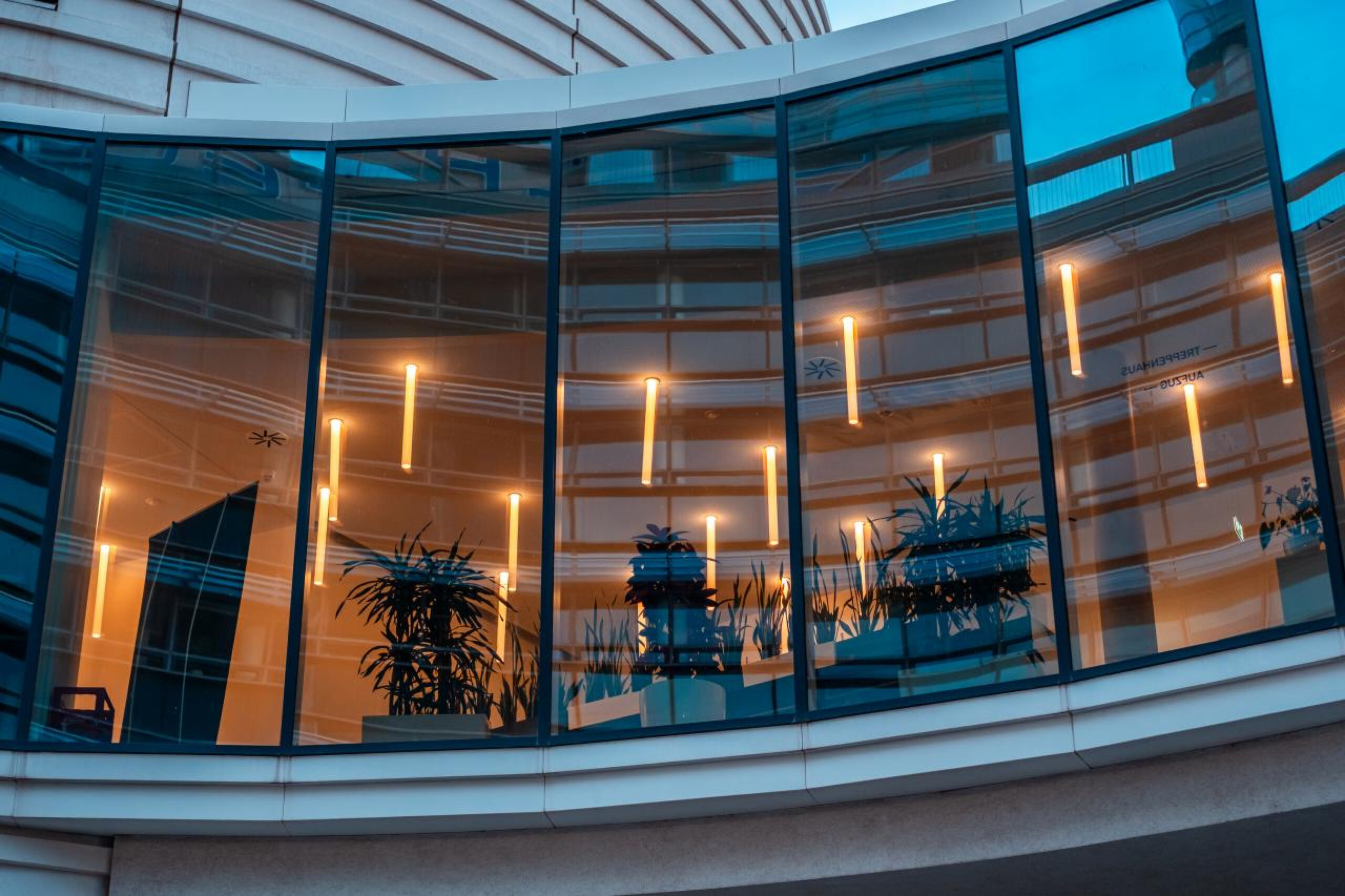
Curved glass commercial building facade illuminated at dusk with vertical warm linear LED architectural lights installed by Beattie Electrical

Commercial façade lighting

For a shopfront, office, warehouse or hospitality venue, the façade is part of the brand. Lit well, it tells passers-by you're open and approachable; lit poorly or not at all, it looks closed and feels unsafe. Façade lighting also covers signage, entries, loading areas and car parks. For businesses, reliability and minimal disruption come first, so we plan work around trading hours, use controls such as timers and photocells to run lighting automatically, and select fittings built for long operating hours. Strata managers get scope-of-works documentation suited to owners corporation approval.
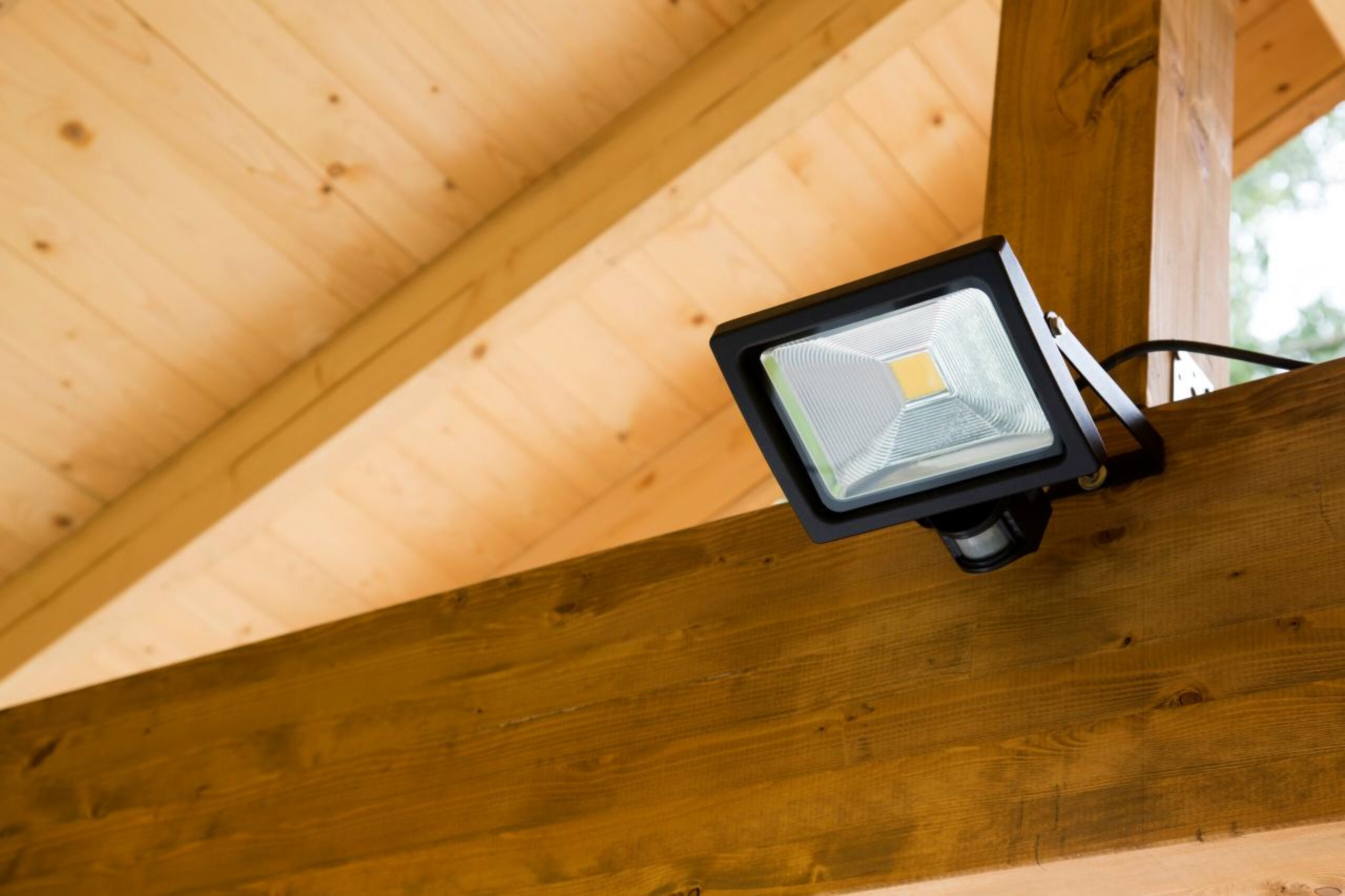
Black weatherproof LED security floodlight with motion sensor mounted onto an exterior timber pergola beam installed by Beattie Electrical

Spotlights and floodlights

A spotlight has a narrow beam that picks out a single feature such as a tree, a sign or a wall detail. A floodlight has a wide beam that covers a broad area such as a driveway, yard, shed front or court. Choosing the wrong one is a common mistake: a flood where you wanted a spot spills light everywhere and washes out the effect.

Signs your outdoor lighting needs an electrician

Lights flicker or drop out after rain

The safety switch trips in wet weather

Water or condensation sitting inside a lens

Cracked, yellowed or corroded fittings

A transformer or driver that buzzes or runs hot

Cable exposed in a garden bed, or nicked by an edger or shovel

Old halogen floodlights that scorch your hand when you touch the housing

Sensor lights that switch on and off with no obvious trigger

If a fitting has sparked, smells burnt, or a cable is exposed and wet, switch the circuit off at the switchboard, stay clear of it and call us. Don’t handle it until it has been checked.

How an outdoor lighting job runs

We look at the property, ideally with some daylight left, check your switchboard capacity and existing circuits, and work out cable routes.

You receive an itemised quote covering fittings, controls, cabling and any trenching or making good.

Cabling and supply points go in first, so nothing is fitted until the wiring is right.

We install the lights, test every circuit and safety switch, then aim and adjust at dusk where possible, because you can't judge a beam in daylight.

We show you how the sensors, timers and dimmers work and leave the site tidy.

You receive a Certificate of Compliance for Electrical Work, which you should keep with your property records.

Re-bedding and re-pointing ridge and hip tiles to keep the roofline weathertight.

A final walk-through and sign-off to confirm the work meets our quality standard.

For homes, strata and commercial properties

Homes. The priorities are safe movement, a welcoming entry, security and being able to use your outdoor space after dark.

Strata. Common property lighting has to satisfy owners corporation approvals, safety obligations and ongoing maintenance. We provide clear scope documents and choose fittings that are easy to service. Our strata electrical services can also cover scheduled maintenance.

Commercial. For shopfronts, offices, warehouses and venues, light supports safety, visibility and trade. We plan around operating hours, automate controls and select durable fittings for long hours of use. See our commercial electrician services.

Safety and compliance what you need to know

Outdoor electrical work is regulated for good reason. Here’s the practical summary.

Licensing.

In NSW, fixed 240 V wiring must be carried out by a licensed electrician. DIY mains wiring is unlawful and can affect your home insurance. Plugging in a plug-in low-voltage transformer is different, but anything hardwired is not a DIY job.

Wiring Rules.

Our installations follow AS/NZS 3000, the Australian and New Zealand Wiring Rules.

Safety switch (RCD) protection.

Outdoor lighting circuits should be protected by a 30 mA safety switch, which cuts power within milliseconds if current leaks to earth. If yours trips when it rains, don't keep resetting it; have the circuit tested.

IP ratings.

The Ingress Protection rating (defined in AS 60529) tells you how well a fitting resists dust and water. The right rating depends on where the light sits (see the table below).

Pool and spa zones.

Lighting around pools follows the zone rules in AS/NZS 3000.

Compliance paperwork.

Where required, we provide the Certificate of Compliance for Electrical Work (CCEW) for your records.

Light spill.

AS 4282 covers control of the obtrusive effects of outdoor lighting. In practice, that means aiming lights down, shielding glare and keeping beams on your own property.

Digging.

Before trenching, we check for underground services, and you should use Before You Dig Australia before any digging of your own.

Looking after outdoor lighting once it's in

Wipe lenses and clear leaf litter, cobwebs and mulch from fittings a few times a year.

Trim plants that have grown across a beam or sensor.

Re-check sensor aim and sensitivity after storms or landscaping changes.

Test your safety switch using its test button, following the manufacturer's guidance.

Have a licensed electrician inspect fittings that show corrosion, cracked casings or water inside the lens.

Book an electrical safety inspection if the system is older or you've had flood or storm damage.

Why Sydney customers choose Beattie Electrical

  • Licensed electricians. All fixed wiring is carried out by licensed professionals.
  • Outdoor-rated materials. We don’t fit an indoor product outside because it’s cheaper or already on the truck.
  • A safety-first approach. Every circuit is tested before handover.
  • Itemised, transparent quotes. You’ll know what’s included before work starts.
  • Clear communication. You’ll know when we’re arriving, what we’re doing and what we found.
  • Tidy sites. We leave your property as we found it, apart from the new lighting.

Frequently Asked Questions

Do I need an electrician to install outdoor lights in NSW?
Yes, for anything hardwired to 240 V mains. Licensed work protects your safety, your insurance and your resale position. Low-voltage lights that plug into an existing outdoor power point are a different matter, but the supply point itself still needs to be safe and protected.
At least IP44 under a sheltered eave, IP65 for exposed walls and open garden positions, IP67 for in-ground fittings, and IP68 for anything submerged, such as underwater pool lights.
For gardens and paths, usually. Low-voltage systems are gentler, easier to adjust and more forgiving of minor cable damage. For security floodlights, deck lighting and anything needing high output, 240 V is the better choice. Both need a licensed electrician for the mains connection.
Yes. A 30 mA safety switch (RCD) should protect outdoor lighting circuits. If it trips when it rains, don’t keep resetting it. Get the circuit tested.
A single floodlight or wall light replacement is often done in one visit. A full scheme across garden, deck and paths usually takes a day or more, depending on trenching and access. Commercial façade work is staged around the building’s operating hours. We’ll give you an estimate at quote stage.
A layered approach. Keep a constant low-level light at doors and paths, and add motion-activated LED lights covering side access and the backyard. Mount them high enough to resist tampering and aim them down so they light the ground, not the neighbours.
No. Pool lighting must meet the zone requirements in AS/NZS 3000 and run through the correct transformer and safety switch arrangement. Never open or replace a pool light with the circuit live.
Warm white (about 2700 K to 3000 K) suits gardens, decks and entertaining areas and tends to attract fewer insects. Neutral white (3000 K to 4000 K) suits work and security zones. Anything much above 5000 K can feel harsh in a residential setting
For small decorative accents where running cable isn’t practical, they’re fine. For reliable nightly lighting on paths, steps and entries, hardwired LED performs more consistently, particularly through winter and after storms.
Get a free quote