
Beattie Electrical provides licensed residential electrical services across Sydney, including electrical repairs, switchboard and safety switch upgrades, power point and lighting installation, ceiling fan installation, smoke alarm compliance and electrical safety inspections. All work is carried out by licensed electricians to AS/NZS 3000 wiring standards, with a compliance certificate issued for every job.
Ceiling Fan Installation Sydney A well-installed ceiling fan won't replace your split system on a 38-degree day, but it does…
Complete electrical solutions for your home, from renovations to everyday electrical needs.
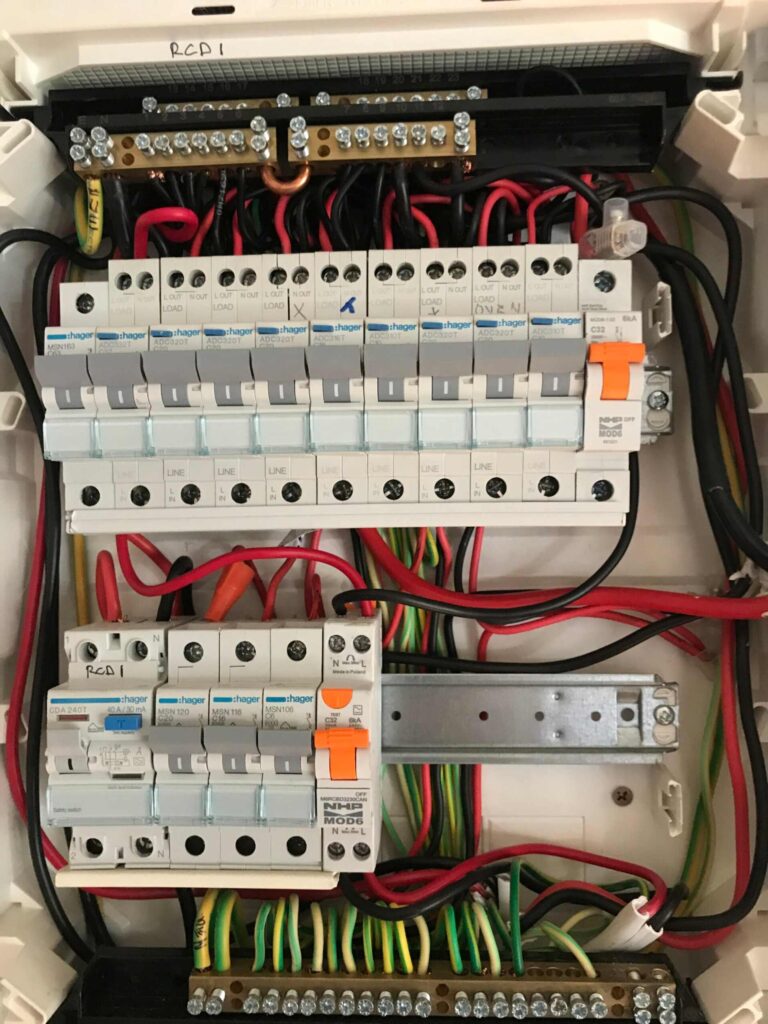
Most households don’t think about their electrics until something stops working a power point goes dead, a safety switch won’t reset, or the lights in the hallway start to flicker. Residential electrical work covers all of it: diagnosing and repairing faults, installing new lighting and power points, upgrading old switchboards, fitting ceiling fans, and making sure smoke alarms meet current requirements.
It also covers the jobs homeowners plan ahead for a kitchen renovation that needs extra circuits, a home office that needs more power points and better lighting, or an older Sydney home whose original wiring and switchboard are due for a proper upgrade. Whatever the trigger, the work is the same in one respect: it has to be done by a licensed electrician, tested properly, and left in a state that’s safe for the people living in the house.
A safety switch that trips repeatedly, or won't reset at all
Lights that flicker, dim, or buzz especially if it's isolated to one area of the house
Power points that feel warm, look discoloured, or have a burning smell nearby
A switchboard with ceramic fuses instead of circuit breakers
Not enough power points for how the household actually uses each room
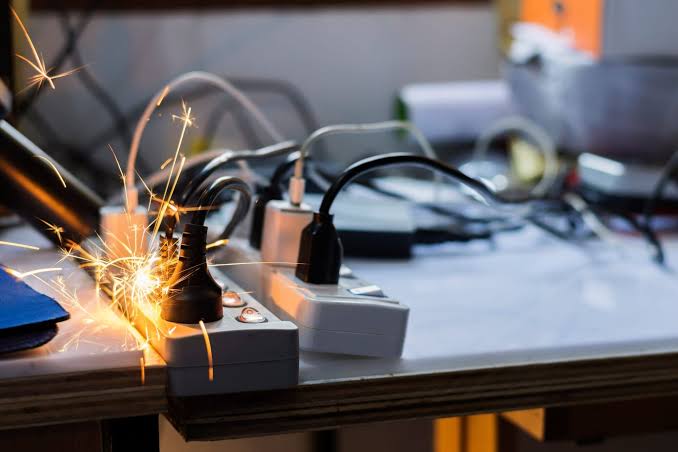
Extension leads and power boards used as a permanent solution rather than a temporary one
Smoke alarms that are single-station, battery-only, or more than ten years old
Any burning smell, sparking, or unusual noise from a switch, point, or the switchboard

Electrical work in NSW residential properties is legally restricted to licensed electricians for anything beyond very minor, low-voltage tasks. That's not red tape for its own sake — faulty electrical work is a genuine fire and shock risk, and it's one of the few trades where a mistake can be invisible until it isn't.
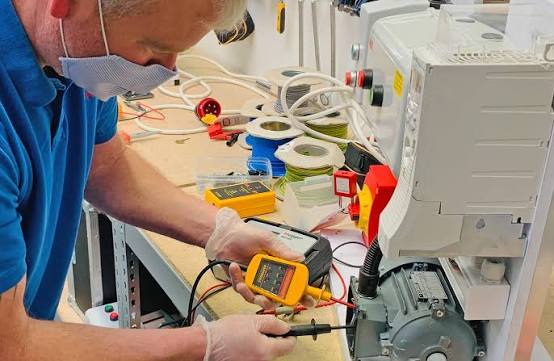
Working with a licensed electrician also protects the homeowner in practical ways: the work is covered by the electrician's insurance, it's backed by a compliance certificate that's often required for insurance claims or when selling the property, and it's carried out to AS/NZS 3000 the Australian/New Zealand Wiring Rules that set the safety standard for all electrical installations.
Unlicensed / DIY Work | Licensed Electrician | |
|---|---|---|
Legal in NSW | No, for anything beyond minor low-voltage tasks | Yes — licensed to carry out the full scope of residential work |
Compliance certificate | Not issued | Issued for every job, as required |
Insurance cover | Home insurance may be voided by unlicensed work | Work is covered by the electrician’s professional insurance |
Fault diagnosis | Guesswork, often treats symptoms not causes | Tested and traced to the actual fault |
Resale / conveyancing | Can raise issues during a building/pest or building inspection | Documented, compliant work that stands up to inspection |
describe the issue or the job you need done a photo or two helps if it's a fault.
for straightforward jobs this can often be scoped over the phone; more involved work (switchboard upgrades, rewiring, renovations) is assessed on site.
a clear scope of work and pricing before anything is booked in no surprises on the day.
carried out by a licensed electrician, with the power isolated safely and the work area left clean.
every circuit and installation is tested before power is restored.
issued on completion, so there's a paper trail for insurance, warranty or resale purposes.
Symptom | What It Usually Means | Urgency |
|---|---|---|
Safety switch trips repeatedly | A fault on one of the circuits protected by that switch — often a faulty appliance, but can indicate wiring damage | Book promptly; avoid resetting repeatedly |
Lights flicker or dim | Loose connection, overloaded circuit, or an ageing fitting | Moderate — worth checking before it worsens |
Power point feels warm or discoloured | Loose internal connection or overloaded circuit — a recognised fire risk | High — stop using the point and call promptly |
Buzzing from a switch or the switchboard | Loose wiring or a failing component | High — treat as urgent |
Old ceramic fuses instead of circuit breakers | Switchboard is outdated and likely doesn’t meet current safety-switch requirements | Plan an upgrade — not always an emergency, but shouldn’t be left indefinitely |
Not enough power points in a room | Household electrical demand has outgrown the original circuit design | Low urgency, but a common trigger for extension-lead overuse |
Test safety switches every few months using the test button (this is a homeowner-safe check)
Have smoke alarms tested and batteries replaced on the recommended schedule
Get an electrical safety inspection every few years, or before buying or selling a property
Don't ignore a safety switch that trips more than once get it looked at rather than just resetting it
Avoid daisy-chaining power boards, particularly for heavier appliances
Have an older switchboard reviewed if the home hasn't had any electrical work done in the last decade or more